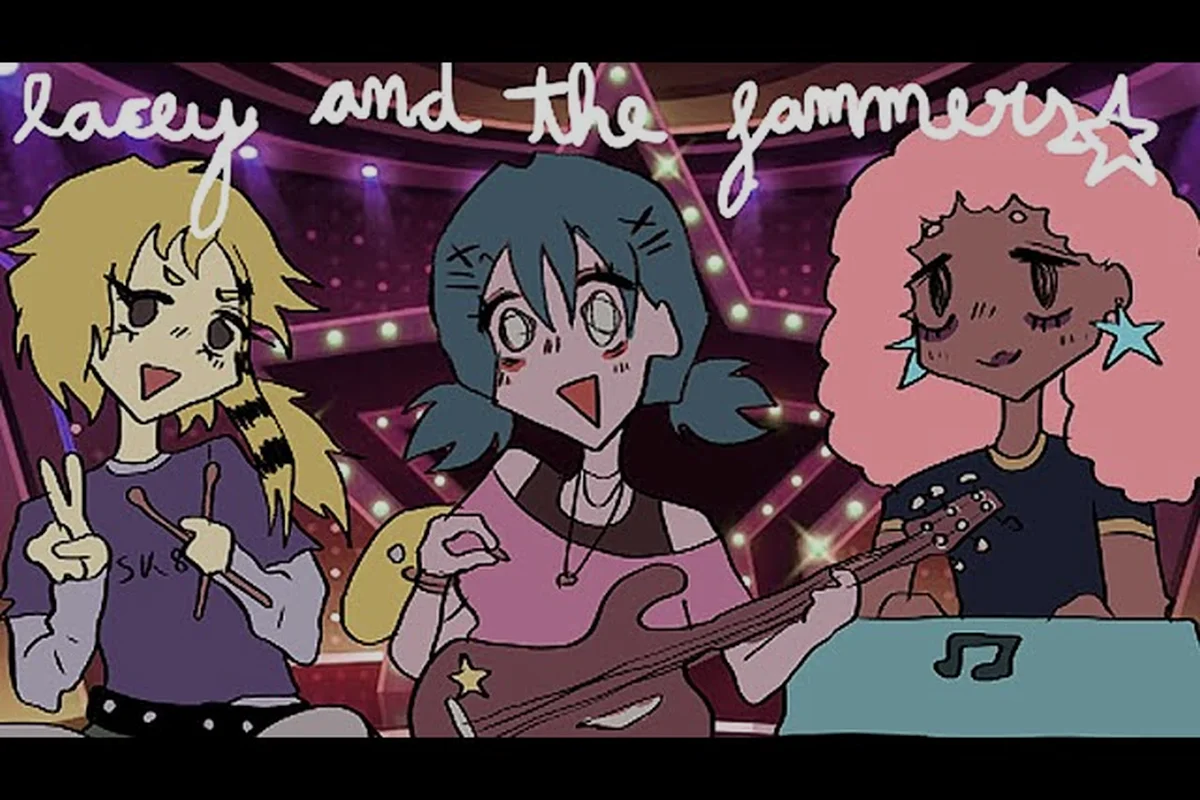
The Lacey's Flash Games song is the moment most players remember long after they close the game, and it anchors the entire audio identity of the collection. That Jammers track, the low hum of the ambience, and the memes it spawned all work together to give this odd little anthology its staying power.
Why the Lacey's Flash Games Song Sticks With Players
The musical sequence built around the Jammers is the emotional centerpiece of the whole collection, and it arrives at a point where the game has already trained you to expect quiet tension. Instead of another jump scare, you get a full performance number, and the contrast is what makes it land. Players who came for a creepy flash-game throwback suddenly find themselves humming a tune they did not expect to like.
What makes the track work is how deliberately it is placed. The audio does not just play over the scene; it changes how you read everything around it. The bright, almost cheesy melody sits on top of visuals that stay slightly off, and that mismatch is the whole trick. According to community discussion, the Jammers sequence is the single most replayed and re-shared moment in the entire game.
Here is how the audio layers break down across a typical playthrough: the Jammers musical track carries the performance minigame and is the only layer players deliberately replay, while the ambient room hum runs underneath house exploration to build slow, steady dread rather than demand attention. The interface clicks and prompts on menus and the HUD do quieter work, reinforcing the "real software" feel that sells the flash-game framing, and the sudden stingers fire only on wrong choices and branch reveals so each consequence lands with a distinct audio signature. Silence fills the gaps between major beats, and its job is mechanical: the dead air resets your ear so the next stinger or Jammers cue hits harder than it would in a continuously scored scene.
| Audio Layer | Where It Appears | Player Reaction |
|---|---|---|
| Jammers musical track | The performance minigame | Most replayed and shared moment |
| Ambient room hum | Exploring the house | Builds slow, steady dread |
| Interface clicks and prompts | Menus and HUD | Reinforces the "real software" feel |
| Sudden stingers | Wrong choices and reveals | Punctuates branch consequences |
| Silence | Between major beats | Makes the next sound hit harder |
The Jammers musical track is the one piece of audio that players actively seek out afterward, which is unusual for a game this short. Most of the other sounds are designed to be felt rather than remembered, and that division of labor is intentional.
The Jammers Sequence as a Musical Set Piece
The Jammers number is staged like a real performance rather than a background loop. The track has a clear intro, a repeating hook, and a finish that syncs with what is happening on screen, so it reads as a song first and a game cue second. That structure is why it survives outside the game as a standalone listen.
Players who want to nail the sequence itself should treat it like any other timed minigame. The rhythm of the track is actually a timing hint, and matching your inputs to the beat produces cleaner results than mashing. You can find a full breakdown of the surrounding challenge in the Jammers minigame walkthrough, which covers the input timing in detail.
How the Lacey's Flash Games Ambience Builds Dread
The ambience is the quiet partner to the big musical moment, and it does most of the heavy lifting in the early sections. Before the Jammers ever appear, the game relies on room tone, distant hums, and the absence of music to keep you uneasy. That restraint is what makes the eventual song feel like a release.
Ambient design in this collection follows a few consistent rules that are worth noticing on a second run, and they map directly onto the same lo-fi palette the Lacey's Flash Games soundtrack media draws from. The mix keeps its dynamic range narrow so the eventual song hits harder by contrast, and every sound cue is timed to the exploration loop rather than to cutscenes — which is why the ambience reads as diegetic software audio and not as score.
-
Low-frequency hum plays under almost every exploration scene, rising slightly when you approach something important.
-
Interface sounds are crisp and slightly too loud, which sells the idea that you are operating real software rather than watching a cutscene.
-
Music drops out entirely before major reveals, so the silence itself becomes a warning sign.
-
Stingers are short and dry, never orchestral, keeping the lo-fi flash-game texture intact.
-
Room tone shifts between locations, so you can often tell where you are with your eyes closed.
The low-frequency hum is the most reliable tension tool in the game. It is subtle enough that you stop noticing it, which is exactly why it works when it suddenly stops. Community reports note that players often describe the game as "quietly stressful" rather than loud or jump-scare heavy, and the ambience is the reason.
Reading Silence as a Cue
Silence is used as a deliberate signal rather than filler. When the ambient bed cuts out, something is about to change, and experienced players learn to slow down at those moments instead of rushing forward. That habit alone prevents a lot of accidental bad branches.
The full audio picture, including voice work and how the sound design supports the gameplay loop, is covered in the soundtrack and audio breakdown. If you are trying to understand why the game feels the way it does, that is the deeper technical read.
The Lacey's Flash Games Meme Lifecycle
Few things spread faster than a catchy tune attached to a strange visual, and the Jammers sequence was built for exactly that. The Lacey's Flash Games meme wave started with short clips of the performance and grew into remixes, looped edits, and reaction posts. The song is short enough to loop cleanly, which is a big part of why it travels.
The meme formats tend to cluster into a few recognizable types, each shaped by how the Lacey's Flash Games song loops and where the audience already gathers. The looped Jammers clip leans on the track's short, clean loop point to repeat the hook for comedic effect on short-video platforms, while lyric-overlay edits pair the audio with unrelated text and circulate mainly in fan communities. Reaction cuts borrow the song to undercut a serious moment inside clip compilations, and slowed or bass-boosted versions stretch the track for mood on audio remix channels. Character lip-sync posts round out the set by syncing the performance to other characters, a staple of fan animation.
| Meme Format | What It Does | Where It Spreads |
|---|---|---|
| Looped Jammers clip | Repeats the hook for comedic effect | Short-video platforms |
| Lyric-overlay edit | Puts unrelated text over the song | Fan communities |
| Reaction cut | Uses the song to undercut a serious moment | Clip compilations |
| Slowed or bass-boosted version | Stretches the track for mood | Audio remix channels |
| Character lip-sync | Syncs the performance to other characters | Fan animation posts |
The looped Jammers clip is the most common entry point, and it is usually how people discover the game in the first place. A viewer hears fifteen seconds of an unexpectedly catchy song, wonders what it is from, and ends up playing the whole collection. That discovery path is a real driver of new players, according to community reports.
Why the Song Survives Outside the Game
A track only becomes a meme if it holds up when removed from its context, and this one does. The melody is simple, the hook repeats, and the production has a slightly rough flash-era charm that reads as nostalgic rather than cheap. Those qualities make it easy to remix without losing what made it work.
The meme life also feeds back into the game. Players who arrive through a clip tend to replay the Jammers sequence first, which means the song gets shared again, and the cycle continues. It is a rare case where the audio is doing marketing work years after release.
Lacey's Flash Games Fan Edits and the Audio Scene
Fan edits are where the song gets stretched furthest, and the results range from genuinely clever to deliberately absurd. Editors take the Jammers track and pair it with different visuals, different pacing, or entirely different games, and the audio holds the whole thing together. The visual side of that scene is explored in the character art and fan creation guide, which covers how the art and music edits overlap.
Most fan edits fall into a few practical categories, and each one treats the Jammers track differently: the music video edits and animation syncs keep the original tempo intact and let the visuals do the work, while the slowed and reverb versions and ambience-only edits deliberately strip away the song's upbeat character to chase a darker mood. The mashups sit somewhere in between, borrowing the melody for a nostalgia hit without changing its speed. What ties the whole scene together is that every category is built from the same source audio, so the differences come entirely from how editors manipulate tempo, layering, and visual pairing rather than from any new material.
-
Music video edits that cut the Jammers track against curated visuals from across the collection.
-
Slowed and reverb versions that turn the upbeat song into something unsettling, which fits the game's tone surprisingly well.
-
Mashups that layer the track over other flash-era audio for a nostalgia hit.
-
Animation syncs that match character movement to the beat, often using the game's own sprite style.
-
Ambience-only edits that strip the music and leave just the room tone for a pure horror listen.
The slowed and reverb versions are the most interesting from a design standpoint, because they reveal how much of the song's cheerfulness is tempo-dependent. Drop the speed and the same melody becomes genuinely eerie, which tells you the composer knew exactly what they were doing.
Editing Tips That Preserve the Vibe
If you want to make your own edit, the key is to respect the source's lo-fi texture. Over-compressing or over-cleaning the audio strips out the flash-era grit that makes it recognizable. Keep the mix slightly rough, leave a little noise floor, and let the hook breathe rather than stacking effects on top of it.
Timing matters just as much. The Jammers hook lands on a specific beat pattern, and edits that cut against it feel wrong even if the viewer cannot say why. Match your visual cuts to the beat and the whole thing reads as intentional. For more on how official and fan-made media differ in approach, the edit and official media guide is a useful companion read.
Building a Listening Order for the Full Audio Experience
The audio is more rewarding when you experience it in a deliberate order rather than whatever sequence the game hands you. A good listening pass moves from quiet to loud, letting the ambience establish the mood before the Jammers track breaks it. That structure mirrors how the game itself paces tension.
Here is a practical order for a focused audio playthrough: start with the opening room tone so the baseline hum registers in your ears, then move through the menu interface clicks that give the game its "real software" texture, and pause on the first silence drop — that gap is where the soundtrack teaches you that quiet signals danger. From there the Jammers performance lands as the emotional release point, and you close on the post-song ambience and ending stingers, the short dry punctuation on your choices.
| Step | What to Listen For | Why It Matters |
|---|---|---|
| 1 | Opening room tone | Establishes the baseline hum |
| 2 | Interface clicks in menus | Sets the "real software" texture |
| 3 | First silence drop | Teaches you that quiet means danger |
| 4 | Jammers performance | The emotional release point |
| 5 | Post-song ambience | Notice how the hum feels different now |
| 6 | Ending stingers | Short, dry punctuation on your choices |
The post-song ambience is the step most players skip, and it is worth sitting with. After the Jammers number, the returning hum feels heavier than it did before, because the game has shown you what it sounds like when the tension breaks. That contrast is the whole point of the audio design.
Pairing Audio With the Story Layers
The song and the ambience both carry story information if you pay attention. The lyrics and the performance framing hint at things the visuals only suggest, and the ambient shifts often mark where the narrative is about to turn. Players who treat the audio as pure atmosphere miss a layer of meaning that the ARG and hidden meaning analysis digs into more thoroughly.
Listening closely on a second run is genuinely different from the first. You hear the foreshadowing in the quiet sections, and the Jammers track stops being a surprise and starts being a payoff. That shift is a good sign that the audio was designed with replay in mind.
Practical Tips for Getting the Most Out of the Audio
A few small habits make the audio side of Lacey's Flash Games much more enjoyable, whether you are playing for the first time or returning after a long break. The Jammers performance is the collection's audio centerpiece, and its mix rewards close listening: the synth pad sits low in the stereo field while the percussion carries the melody, so a single pass on laptop speakers flattens the arrangement into a wash. Treat the soundtrack as a sequence of deliberate contrasts rather than continuous background music — the ambient hum between scenes and the abrupt silences before each branch point are doing narrative work, not filling space.
-
Use headphones. The ambient hum and the stereo placement of interface sounds are lost on laptop speakers, and the silence cues are much clearer with isolation.
-
Do not skip the performance. The Jammers sequence is the audio highlight, and rushing through it costs you the best moment in the collection.
-
Play one section at a time. The audio design relies on contrast, and binging the whole thing in one sitting flattens that contrast.
-
Note where the music stops. Those silences are structural cues, and marking them mentally helps you predict branch points.
-
Revisit the song outside the game. Listening to the Jammers track on its own makes you notice production details the scene distracts you from.
The headphone tip is the one that changes the experience most. The game's sound design leans on subtle low-end and careful stereo work, and both disappear on built-in speakers. Once you hear the full mix, the ambience stops feeling like background and starts feeling like a character.
What to Skip
Not every audio element deserves your attention. The repeated menu clicks and the generic prompt sounds are functional rather than artistic, and there is no hidden meaning in them. Spending time analyzing those is wasted effort. Focus your attention on the Jammers track, the ambient beds, and the silences between them, because those are the three elements that actually carry weight.
Frequently Asked Questions
What is the Lacey's Flash Games song called?
Players generally refer to it as the Jammers track, named after the performance sequence where it plays. It does not have a widely used official title in community spaces, so most discussion uses the Jammers name or simply calls it the game's song.
Can I listen to the Lacey's Flash Games song outside the game?
Yes, through fan uploads and edits rather than an official release. Community channels host looped and full versions, and the soundtrack media around the game is mostly fan-preserved. Quality varies by upload, so compare a couple of sources before settling on one.
Why does the ambience feel so tense even without jump scares?
The tension comes from a low-frequency hum that rises near important objects and drops out entirely before reveals. That pattern trains you to associate silence with danger, so the quiet itself becomes stressful without any loud noise needed to sell it.
Are the Lacey's Flash Games memes still active?
The meme formats keep circulating through looped clips and remix edits, and new versions appear whenever the game finds a fresh audience. The song's short, repeatable hook makes it easy to reuse, which is why the meme life has lasted longer than the game's initial release window.
Do fan edits change how the original song sounds?
They can, depending on the edit. Slowed and reverb versions stretch the tempo and turn the upbeat melody eerie, while mashups layer it over other audio. The original track stays intact in the game itself, so edits are alternate takes rather than replacements.
The Lacey's Flash Games song earns its reputation because it does two jobs at once: it releases the tension the ambience spends the whole game building, and it works as a standalone listen that spreads far beyond the people who actually played. Whether you came for the Jammers hook, the quiet dread of the room tone, or the meme edits that keep the track alive, the audio is the part of this collection that outlasts everything else.