
Lore
Lore and story analysis for Lacey's Flash Games: the missing creator Rocio Yani, narrator Grace, player Charlie (Charchar887), the analog-horror layer and the mystery built around laceygames.com.
Introduction
Lore is where Lacey's Flash Games stops being a collection of cute mini-games and becomes the analog-horror story the store page only hints at. At the center is Rocio Yani, the site's creator, who vanished before the collection was finished; around her orbit the narrator Grace, who insists she has nothing to do with what people have been saying out there; and the player themselves, signed in as Charlie under the username Charchar887, entering the virtual world to investigate. Underneath the pastel surface, the game layers small uncanny details — displaced objects, oddly moving characters, instructions that fail — into a quiet horror miniverse that revolves around the in-world laceygames.com site. Our lore section untangles the confirmed story, the genre machinery, and the community theories still forming around it.
Lore Elements Quick Reference
| Element | Role in the Story | Confidence |
|---|---|---|
| Rocio Yani | Site creator, missing before the collection finished | HIGH |
| Grace | Narrator who frames the game and denies the rumors | HIGH |
| Charlie (Charchar887) | The player investigating the disappearance | HIGH |
| laceygames.com | The in-world site the collection is presented through | HIGH |
| Ban Lore | Community stories about the series dark banned past | MEDIUM |
Story Elements
Rocio Yani
The vanished creator at the center of the mystery
Grace
The narrator who insists she is not involved
Charlie
The player, signed in as Charchar887
laceygames.com
The in-world site the collection runs through
Analog Horror Layer
The genre machinery under the cute surface
Core Mechanics
The lore of Lacey's Flash Games runs on small contradictions. The presentation insists this is a normal girls-games collection from the mid-2000s, while every mini-game quietly plants details that contradict that framing: objects appear where they should not, characters react to choices they should not see, and instructions lose their meaning as you play. The game deliberately blurs the boundary between the collection and the real website laceygames.com, whose real devlog page even accepts the in-character username charchar887. Readers should treat the wiki's lore articles as a layered map — what is stated in-game, what the official pages imply, and what the community has inferred — rather than a single definitive timeline.
Advantages
Lore articles here focus on evidence rather than vibes: every claim in the story section is tagged by source, so you can tell at a glance whether something comes from the game itself, from the official pages, or from community discussion. Because the game is an analog-horror title under a cute face, the lore section can also stand on its own as an orientation guide — after one article, you understand who Rocio Yani, Grace and Charlie are, what the devlog site has to do with the story, and why the genre label matters at all. That dual role, evidence log plus newcomer orientation, is what makes the section useful to both casual readers and theory writers.
Challenges
The biggest limitation of lore coverage right now is how new the game is. The official story beats are confirmed — Grace speaking in the store text, the missing-creator framing, the in-game website — but anything deeper is still being pieced together from early playthroughs and Reddit threads. Ban lore, the so-called banned history of the site, sits specifically in community territory and may be invented or exaggerated for the horror. Because the game clearly loves misdirection, our lore section assumes that some surface details are deliberately wrong, and we mark unconfirmed interpretations so you can separate the story from the speculation.
Frequently Asked Questions
Who is Rocio Yani in Lacey's Flash Games?+
Who is Grace in the game?+
What is the analog horror layer in the game?+
Is the official website part of the game's story?+
Quick Tips
Separate the three source layers when you read lore: what the game states inside the mini-games, what the official pages imply, and what the community theorizes. Our articles label each claim, and keeping the layers apart is the fastest way to form your own interpretation without getting swept into a theory that has no in-game support.
Pay attention to Grace's denials. A narrator who volunteers that they are not responsible for rumors in a horror game is a narrator you should not automatically trust — start every theory about Grace from the assumption that her words are a character performance, not documentation. Track how often she brings the rumors up unprompted; in this genre, the insistently innocent narrator is usually the one holding the story's biggest secret.
Cross-check the in-game website against the real devlog page at laceygames.com.br. Because the site accepts charchar887 as a login placeholder, the boundary between the game world and the real page is intentionally porous — details noticed on one side often echo on the other. Treat the live site as a primary source for lore rather than as marketing, since it is deliberately written to fit inside the fiction.
Handle ban lore with skepticism. The so-called banned history of the site circulates in the community and fits the horror theme perfectly, which is exactly why it should be treated as story material rather than documented fact until an official source confirms it. In the wiki's articles this material appears clearly marked as community narrative, so quote it that way in your own theorizing too.
Featured
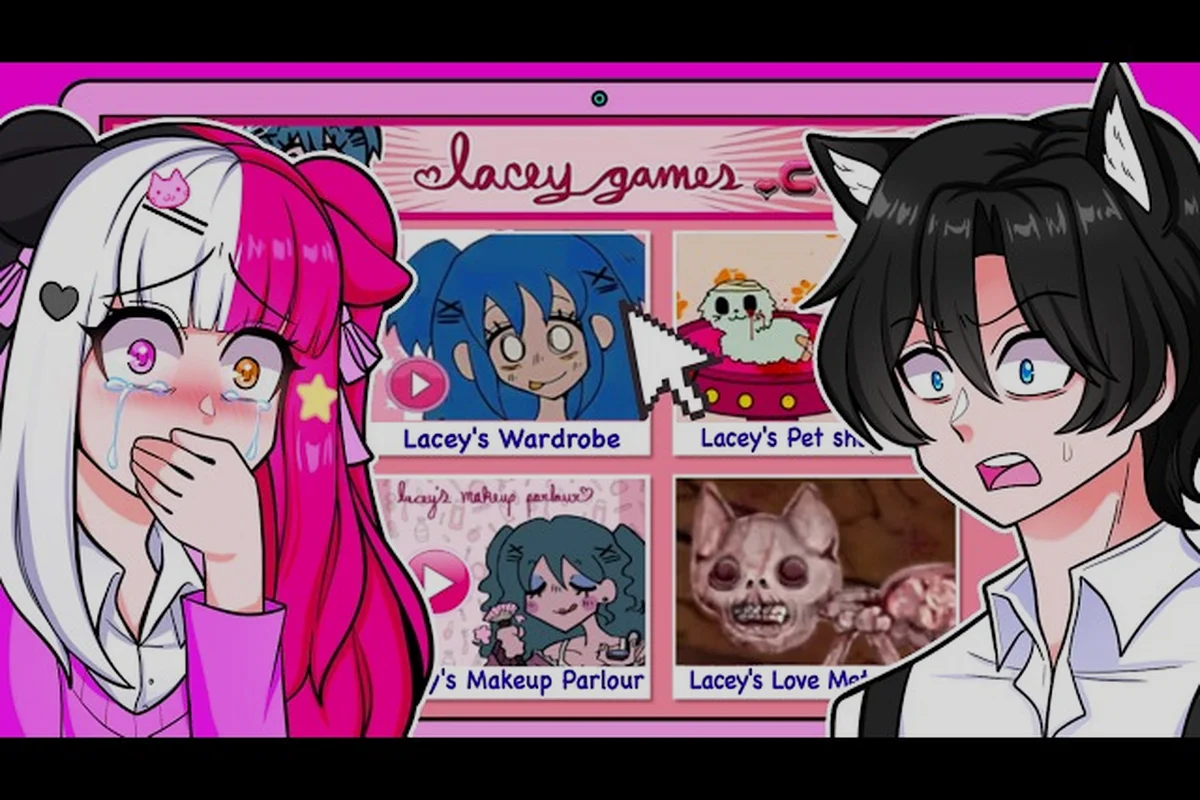
Lacey's Flash Games Dark Humor Meaning and Series Links
Interpret Lacey's Flash Games dark humor meaning through the psychological horror backstory, bleak jokes, and connections to the wider Lacey Games series.
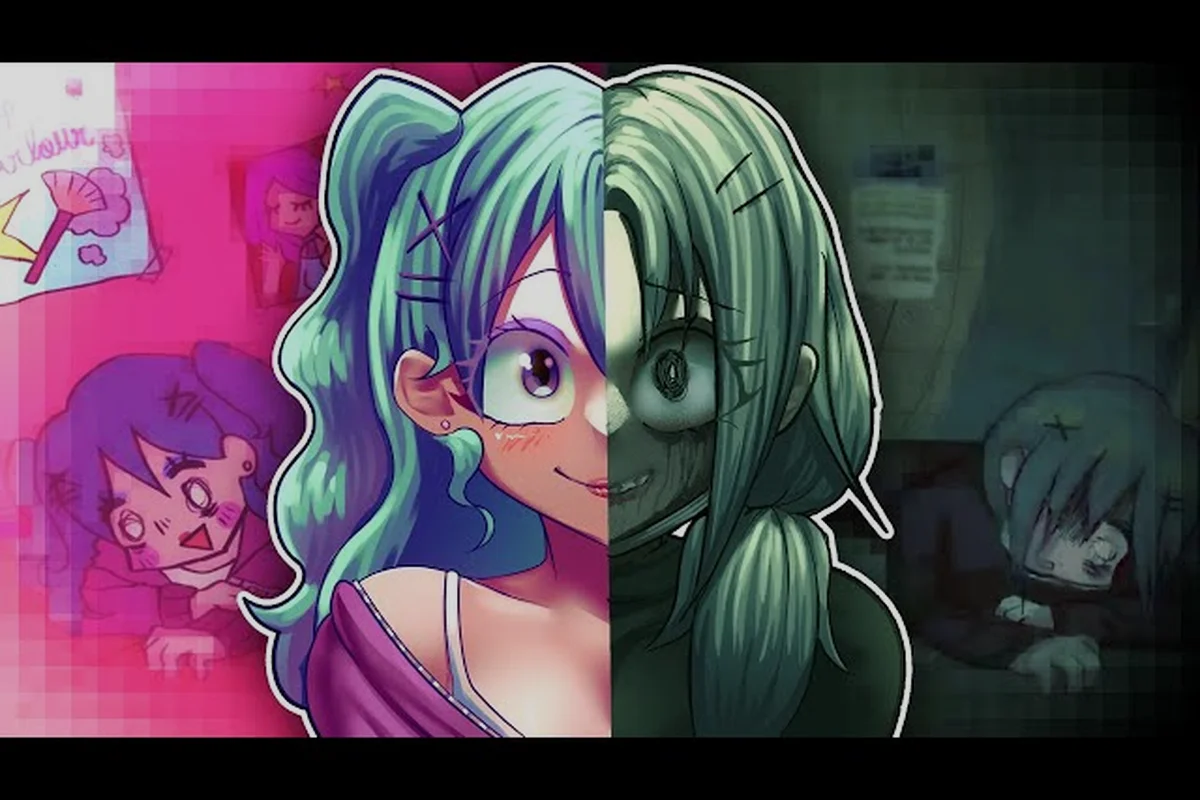
Lacey's Flash Games Grace Narrator: Role and Story
Explore Lacey's Flash Games Grace narrator role, her links to charchar887, and how her commentary shapes the game's disturbing mystery.
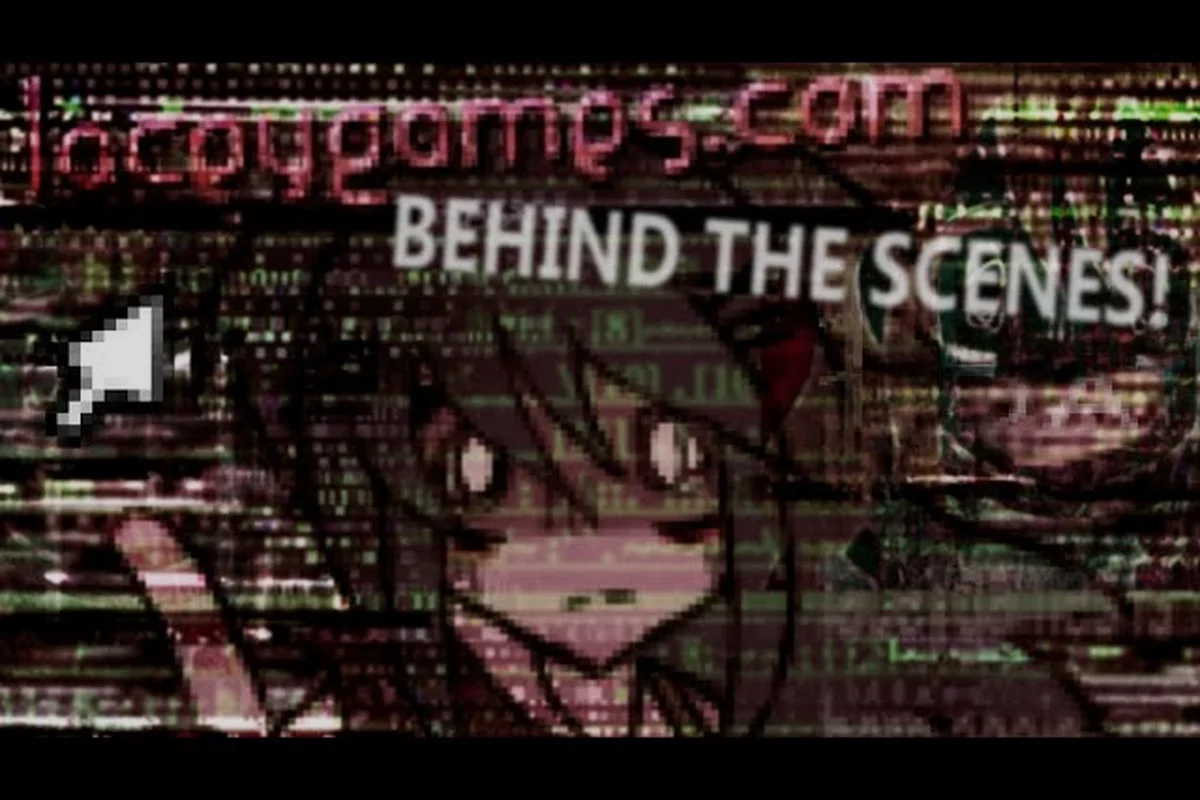
Lacey's Flash Games Is It an ARG? 9 Hidden Clues Found
Explore Lacey's Flash Games is it an ARG with nine hidden symbols, creator connections, and unsettling clues scattered through the game.
All Articles
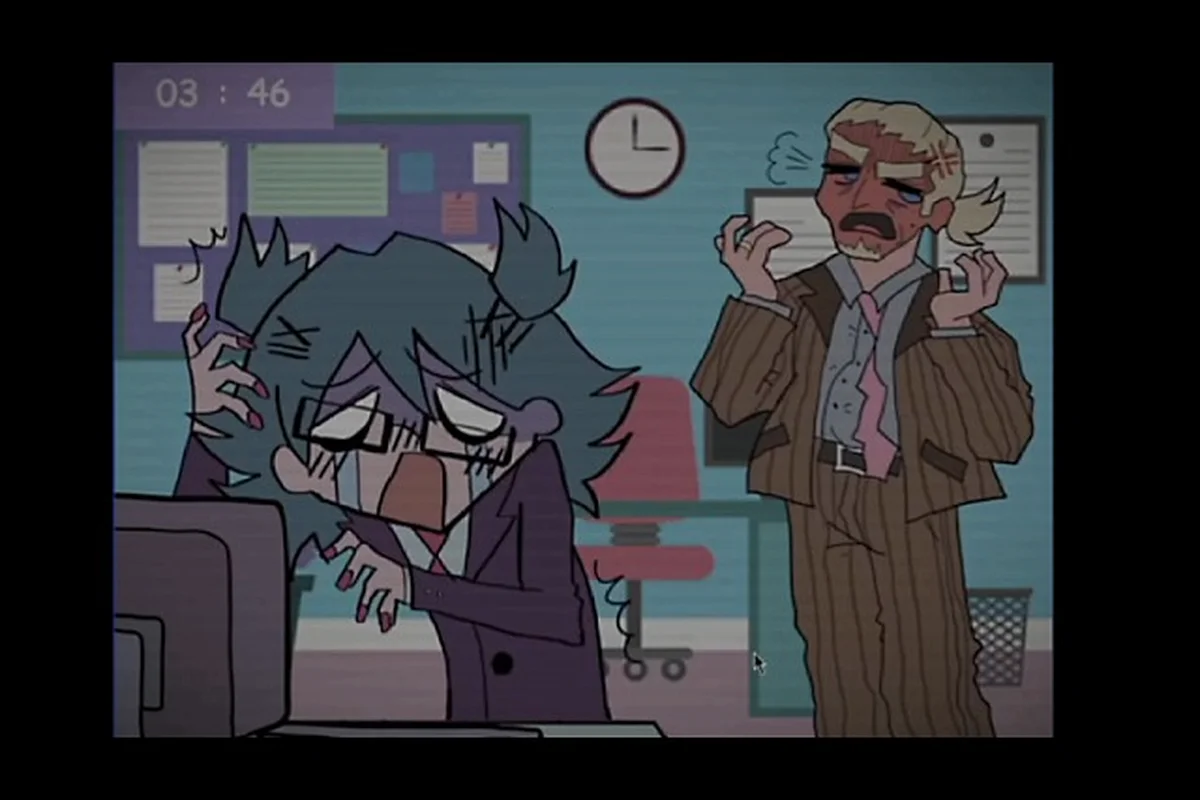
Lacey's Flash Games Laceygames.com Lore and Satire Explained
Decode Lacey's Flash Games Laceygames.com lore, from the banned site story to the real girls games marketing and the satire baked into every page.
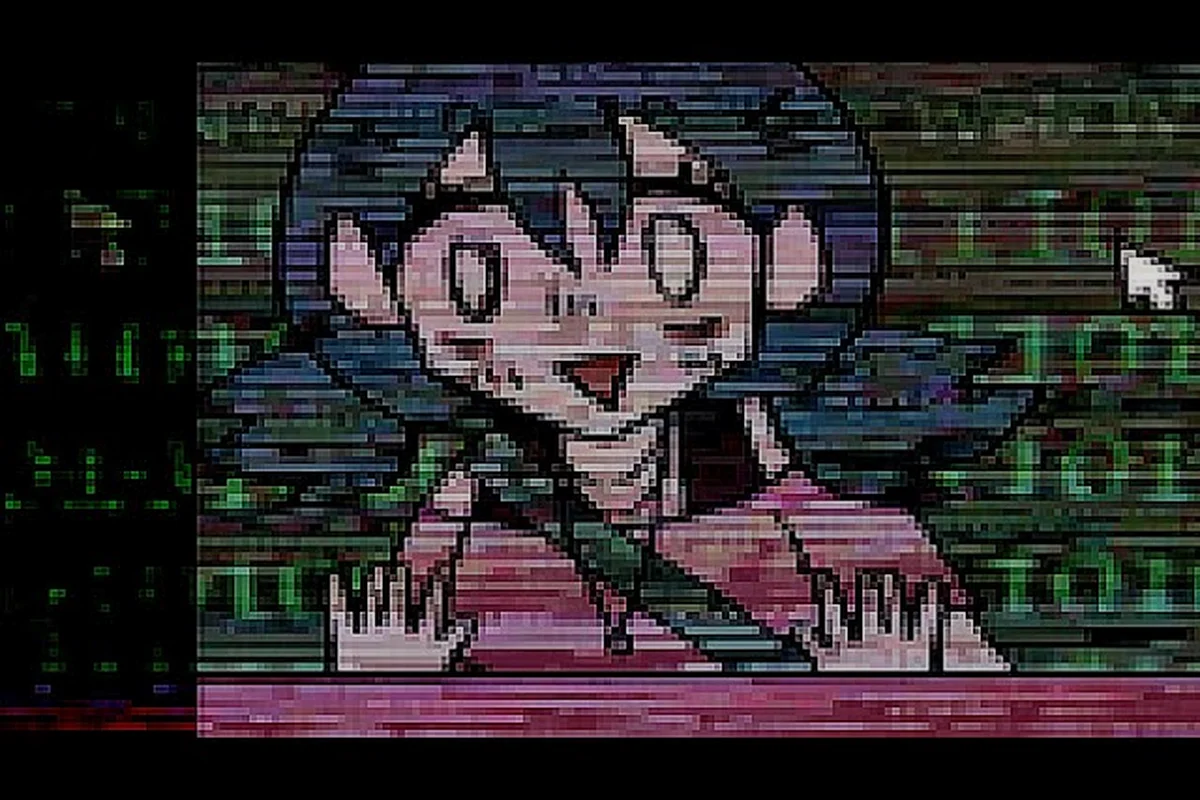
Lacey's Flash Games Lore: The Full Story Explained
Unravel Lacey's Flash Games lore through the creator's history, unsettling web-series connections, and the details hidden beneath its playful minigames.
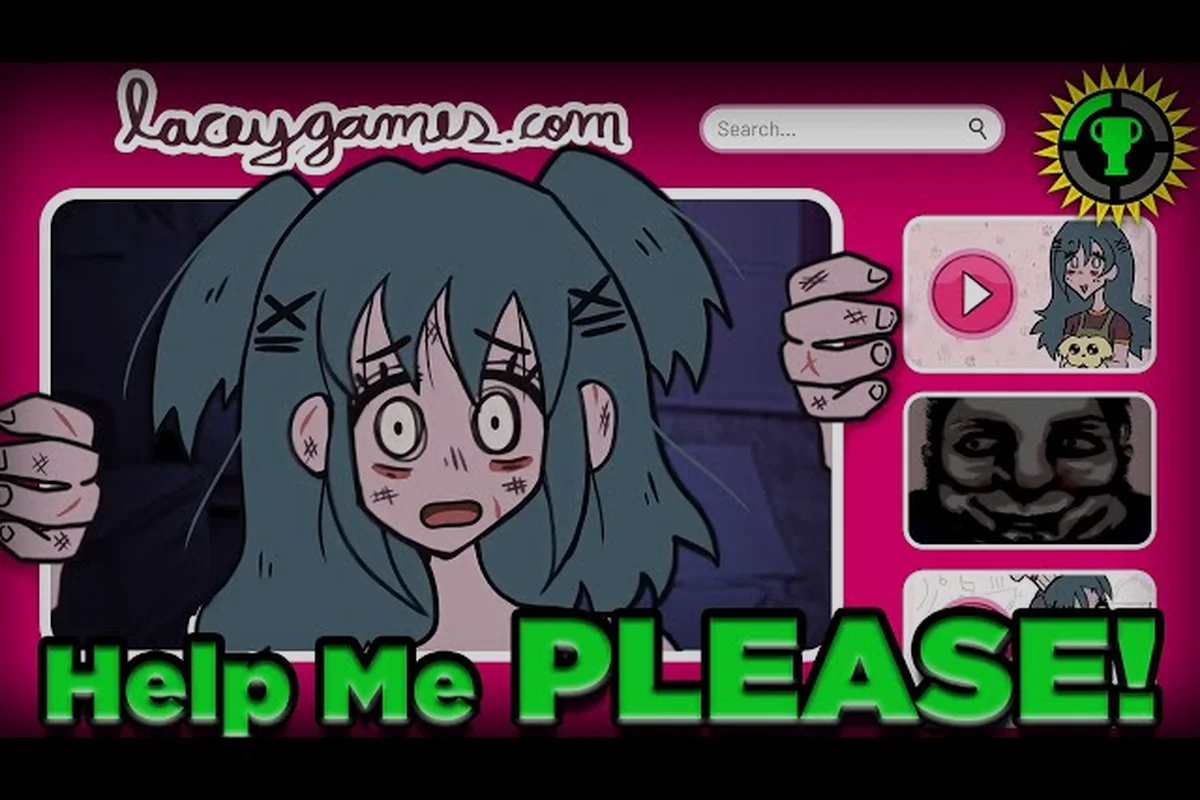
Lacey's Flash Games Theories: Timeline, Endings, and Symbols
Decode Lacey's Flash Games theories by comparing the story timeline, ending imagery, recurring symbols, and clues hidden across the minigames.
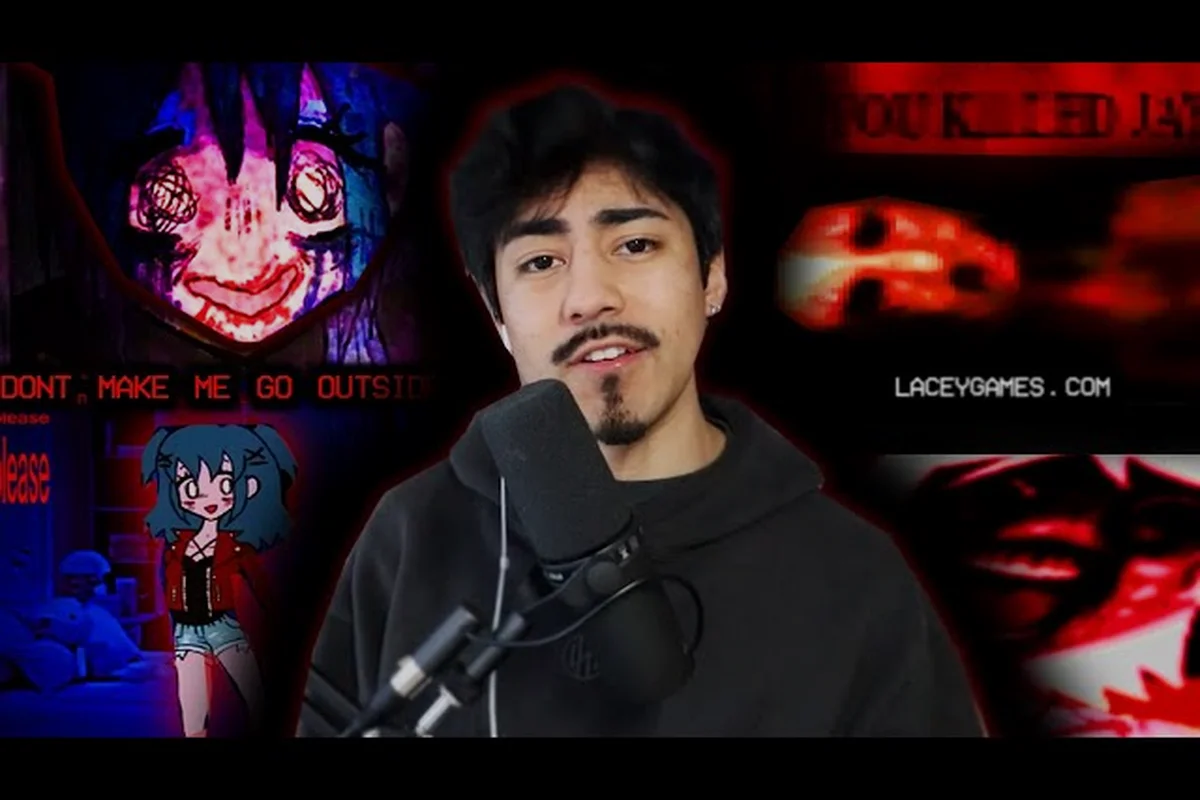
Lacey's Flash Games Who Is Rocio Yani? Missing Creator Lore
Trace Lacey's Flash Games who is Rocio Yani mystery through her credited work, disappearance from the game, and links to Grace's unsettling story.