
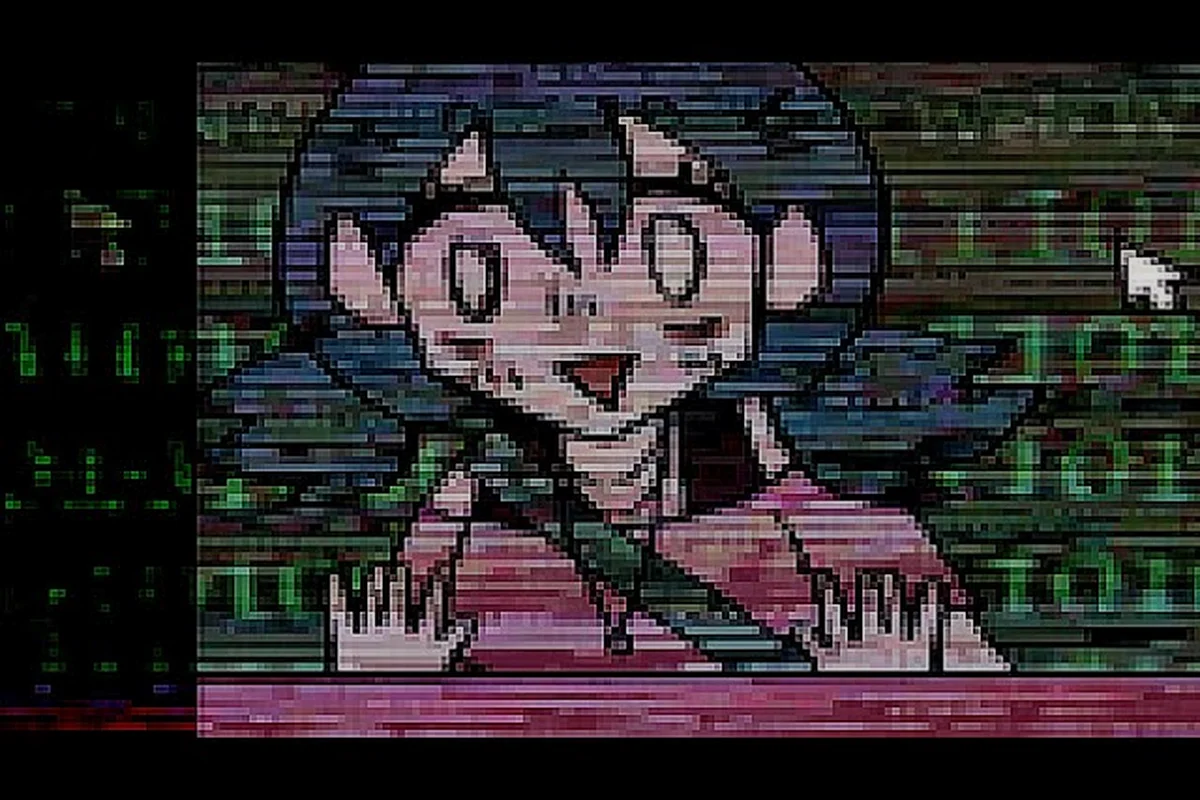
Lacey's Flash Games lore turns a cheerful browser-game portal into one of the most quietly disturbing stories in indie horror, and understanding it changes how every minigame feels. This breakdown of the story explains where the cheerful facade comes from, what the hidden files actually mean, and why the plot still sparks debate among players.
What Lacey's Flash Games Lore Actually Is
At surface level, the project presents itself as a nostalgic collection of girly flash-style minigames hosted by a friendly character named Lacey. The lore is the slow reveal that this cozy wrapper is a disguise: the games, the website, and the host herself are all part of a constructed narrative about something going very wrong behind the screen. Players who expect a simple time-waster instead get a story told through menus, corrupted assets, and unsettling audio cues.
The appeal is that nothing is spelled out. According to community discussion and the widely shared GamerSault video breakdown, much of the plot has to be assembled from environmental clues rather than cutscenes. That design choice is why the story summary below is organized around evidence rather than a single canonical script.
A few core ideas anchor the entire narrative: the facade of a bright, early-2000s girls-games portal, the host Lacey whose cheerfulness curdles into menace, the corruption that bleeds the truth through glitched sprites and distorted text, and the deliberate ambiguity that leaves the ending unresolved. These four pillars interlock rather than sit side by side — the facade makes the corruption legible, and the corruption is what retroactively recasts Lacey's friendly lines as something colder on a second playthrough.
-
The facade: a bright, early-2000s girls-games aesthetic that deliberately mimics innocent browser portals.
-
The host: Lacey, whose friendly persona gradually reads as a mask rather than a character.
-
The corruption: glitches, distorted text, and hidden content that leak the real story.
-
The ambiguity: no single ending confirms everything, so interpretation is part of the experience.
Understanding this framing matters because the horror only lands if you notice the contrast. The cheerful presentation is not a mistake or a limitation of the format; it is the setup for the payoff. The pastel color palette, rounded UI buttons, and upbeat chiptune loops are calibrated to read as harmless, so that the first corrupted sprite or reversed audio clip registers as a genuine violation of the expected tone rather than just another creepy asset. This is why the facade pillar and the corruption pillar have to be examined together: the girly-games portal aesthetic establishes the baseline that the glitched text and hidden files later break, and without that baseline the scares would have nothing to subvert.
The Creator History Behind the Story
The history of the project is inseparable from the parody it builds on. Lacey's Flash Games draws directly on the visual language of mid-2000s girls-game websites, and the creator leans into that imitation on purpose. The result feels like a found artifact from an era of the internet that many players remember fondly, which makes the darker turns hit harder.
Community reports describe the project as a labor of love built around atmosphere rather than jump scares. The creator's approach favors slow dread: a menu that lingers a beat too long, a loading screen that shows something it shouldn't, a friendly voice line that sounds slightly off. This is a deliberate authorial choice, and it explains why the story feels personal rather than generic.
| Element | Surface Presentation | What the Lore Suggests |
|---|---|---|
| The website | A cute games portal | A constructed trap or memory space |
| Lacey | A cheerful host | A persona hiding something darker |
| The minigames | Innocent distractions | Fragments of a larger narrative |
| The glitches | Technical errors | Intentional cracks in the facade |
| The ending | A simple conclusion | An open question left to the player |
The creator's willingness to leave questions unanswered is the defining feature of the project's history. Rather than resolving every thread, the story trusts players to connect the dots, and that trust is exactly what keeps the community analyzing it years after release.
Reading the Story as a Set of Layers
The plot works in layers, and the most useful way to understand it is to separate what you see from what it implies. The outer layer is the portal itself: a friendly hub where you pick a minigame and play. The middle layer is the gradual corruption of that hub, where text distorts and the host's behavior shifts. The deepest layer is the implied backstory, the events that supposedly happened before any of this existed.
According to player experience, the horror escalates because each layer undermines the one above it. You start trusting the interface, then you stop trusting it, then you stop trusting the character who built it. That progression is the actual plot, more than any single event.
How the Minigames Carry the Narrative
Each minigame functions as a small piece of evidence rather than a standalone distraction. Some are genuinely playable and fun, while others exist mainly to deliver a message or a mood. The contrast between a working game and a broken one is itself a storytelling device, signaling when the facade is slipping.
Reading the Glitches as Intentional Clues
The corrupted assets are not random noise. Community analysis treats them as authored clues: distorted text that hints at the backstory, audio that shifts when you linger, and visual artifacts that appear only under specific conditions. Treating these as deliberate rather than accidental is the key to the whole story.
If you want a deeper dive into the unsettling subtext, the breakdown of the dark humor and psychological horror meaning connects the tonal shifts to the larger narrative. That context makes the glitches read as a coherent voice rather than scattered scares.
Lacey's Flash Games Story Summary in Plain Terms
For readers who want the plot condensed, here is the clearest version the evidence supports. A cheerful games portal exists, hosted by a friendly character. Over time, the portal reveals itself as unstable, and the host's persona begins to crack. The minigames stop being innocent and start functioning as fragments of a hidden history. By the end, the player is left unsure whether they escaped the facade or simply reached a deeper layer of it.
That summary is intentionally cautious, because the story resists a single definitive reading. Different players emphasize different clues, and the community has produced several competing interpretations. The most common reading treats the portal as a constructed space tied to a real-world tragedy, while a second reading frames the whole thing as a psychological portrait of its creator.
| Interpretation | Core Claim | Supporting Evidence |
|---|---|---|
| The trapped-space reading | The portal is a constructed trap | Corrupted hub assets and looping menus |
| The psychological reading | The story mirrors a creator's decline | Shifting host dialogue and unstable tone |
| The memory reading | The games preserve a lost past | Nostalgic aesthetic and fragmented clues |
| The satire reading | The project mocks girls-game portals | Deliberate imitation of 2000s web design |
None of these readings is officially confirmed, and that is the point. The story summary is less a fixed answer and more a set of lenses, each of which highlights a different part of the same unsettling picture. Notice how the four interpretations in the table above actually lean on overlapping evidence: the corrupted hub assets and looping menus that anchor the trapped-space reading also serve the memory reading's claim that the games preserve a lost past, since both depend on the same decaying portal architecture. Likewise, the shifting host dialogue cited for the psychological reading doubles as support for the satire reading's deliberate imitation of 2000s girls-game portals, where a glitching mascot was itself a genre convention. Because no single clue belongs exclusively to one lens, the lore resists a definitive canon, and that ambiguity is what keeps the Lacey's Flash Games story explained debate alive rather than settled.
The Backstory Hidden in the Details
The backstory is where most of the real storytelling happens, and it is delivered almost entirely through details rather than exposition. A file name, a date stamp, a line of dialogue that does not match the cheerful tone: these small inconsistencies accumulate into a picture. Players who rush through the minigames miss the story entirely, which is why the community treats careful observation as essential.
Reported by players, the most revealing moments tend to appear when you slow down. Lingering on a menu, replaying a game, or interacting with something that does not seem interactive often surfaces additional content. The design rewards curiosity and punishes speed, which is an unusual and effective way to tell a story.
-
File names and metadata that hint at events outside the portal.
-
Dialogue shifts where Lacey's voice changes register without warning.
-
Audio cues that appear only in specific rooms or states.
-
Visual artifacts that reference earlier or later moments in the plot.
Why the Ambiguity Is the Point
A common complaint is that the story never fully resolves, but that ambiguity is a deliberate authorial choice rather than a flaw. By withholding a clean answer, the project forces players to build their own interpretation, and that act of construction is what makes the lore stick. The community theories and timeline analysis show how many valid readings the evidence supports.
The Website Lore and Its Satirical Edge
The portal itself is a character in the story. Its design imitates the girls-game websites of the 2000s so precisely that it functions as both homage and critique. The cheerful branding, the pastel palette, and the friendly mascot are all borrowed from a real era of web design, and the horror emerges from twisting that familiar comfort into something threatening.
The satirical layer matters because it explains the tone. The project is not just scary; it is making a point about the gap between the sanitized presentation of girls-game portals and the messier reality they papered over. That reading is explored in detail in the analysis of the laceygames.com website lore and its banned-site story, which connects the portal's design choices to the broader satire.
| Design Choice | Nostalgic Purpose | Narrative Purpose |
|---|---|---|
| Pastel color scheme | Mimics 2000s girls-game sites | Signals a sanitized facade |
| Friendly mascot | Creates a welcoming host | Sets up the persona reveal |
| Simple minigame grid | Evokes casual browser play | Hides fragments of the plot |
| Cheerful audio | Reinforces the cozy tone | Makes the dark turns land harder |
Understanding this dual purpose is essential to reading the lore correctly, because the satire and the horror are not separate layers but a single mechanism. Take the simple minigame grid: on the surface it evokes casual browser play, but in the narrative it hides fragments of the plot, so a player who treats each game as disposable nostalgia literally skips the clues. The same logic applies to the cheerful audio, which reinforces the cozy tone precisely so the dark turns land harder when the mascot's persona reveal recontextualizes the pastel color scheme as a sanitized facade. Every cheerful element is doing double duty, and the story only works because the imitation is convincing enough to be comforting before it becomes unsettling.
How to Experience the Lore in the Right Order
The story rewards a specific approach, and players who want the full picture should treat the portal as a mystery to be investigated rather than a set of games to be cleared. The order in which you explore matters, because earlier clues reframe later ones.
-
Start with the hub. Explore every menu option before playing anything, and note anything that feels slightly wrong.
-
Play the minigames in order. The sequence is designed to escalate, and skipping around breaks the pacing.
-
Revisit after each major beat. Content often changes once you have progressed, and the changes carry story information.
-
Slow down at anomalies. If something looks broken, linger; the corruption is usually intentional and often interactive.
-
Compare notes with the community. Multiple interpretations exist, and cross-referencing them fills gaps a single playthrough leaves open.
For a practical starting point, the first playthrough walkthrough covers the controls and the opening steps so you can focus on the story instead of the interface. Getting the basics out of the way early makes the slower, clue-hunting phase much easier to enjoy.
The Lore's Enduring Staying Power
The staying power of this story comes from its restraint. It never overexplains, never shows too much, and never confirms the darkest interpretation outright. That discipline is rare in horror, and it is why the community keeps returning to the same handful of clues and finding new meaning in them.
The host character carries much of that weight. Lacey is friendly enough to trust and strange enough to doubt, and the tension between those two readings never fully resolves. A closer look at the characters and who Lacey really is shows how much of the plot is encoded in her personality and dialogue rather than in explicit events.
What makes the story hold up is that every element serves the same theme: the danger of a comfortable surface. The portal, the mascot, the minigames, and the glitches all express the same idea in different registers, and that consistency is what turns a collection of unsettling moments into a coherent piece of horror storytelling.
Frequently Asked Questions
What is Lacey's Flash Games lore actually about?
The lore centers on a cheerful games portal that hides a darker story beneath its friendly surface. Through corrupted assets, shifting dialogue, and hidden clues, the narrative suggests the host and the website are part of a constructed facade, and players must piece together what happened behind it without a single confirmed answer.
Is there an official explanation of the plot?
No fully official explanation exists, and that ambiguity is intentional. Community analysis and video breakdowns offer several competing readings, but the creator leaves the darkest questions open. Treating the clues as authored rather than accidental is the most reliable way to build a coherent interpretation of the story.
Do I need to play every minigame to understand the story?
You do not need to master them, but you should experience them in order. Each minigame delivers a fragment of the narrative, and the escalation between working and broken games carries meaning. Skipping around breaks the pacing and can cause you to miss the clues that reframe earlier content.
Why does the website design feel so specific?
The portal deliberately imitates 2000s girls-game websites, and that imitation serves the story. The pastel palette, friendly mascot, and simple game grid create a comforting surface that the horror then undermines. The nostalgia is not decoration; it is the setup that makes the darker turns land with full force.
How long does it take to uncover the full backstory?
A single playthrough reveals the broad strokes in a few hours, but the deeper backstory requires revisiting content and slowing down at anomalies. Many players report that a second pass, informed by community theories, surfaces details they missed entirely the first time through the portal.