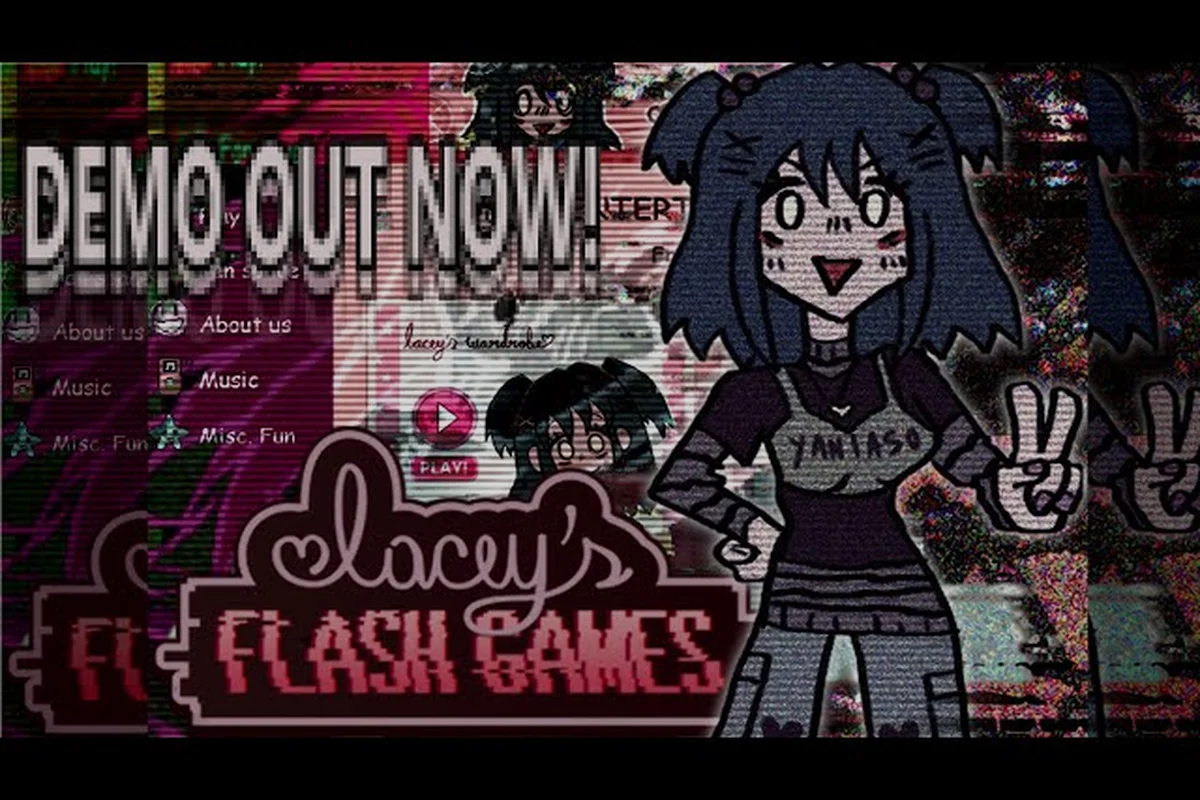
The Lacey's Flash Games real girls games demo is the single most useful thing released so far, because it lets you test the actual playable build instead of guessing from marketing copy. Between the announcement trailer, the official material, and a steady drip of developer updates, there is now enough concrete information to plan a purchase.
This breakdown separates what is confirmed from what is still speculation, so you know exactly what the demo contains, what the roadmap promises, and where the ghosttundra update fits into the picture. Concretely, that means treating three sources differently: the announcement trailer and official material establish the demo's core loop and confirmed characters, the developer update log is the only reliable signal for build-level changes (patch notes, bug fixes, added scenes), and the roadmap is aspirational until a dated milestone backs it. The ghosttundra update sits in that last category — referenced in roadmap discussion but not yet tied to a confirmed demo build — so it should be filed under "planned," not "playable." Cross-checking each claim against its source type prevents the common mistake of treating roadmap language as shipped content.
What the Lacey's Flash Games Real Girls Games Demo Actually Contains
The demo is a downloadable slice of the full game, distributed through the official store page rather than a browser portal. That distinction matters, because the "girls games" branding in the title is part of the game's satirical framing, not a description of the platform. The demo carries the same tone as the announcement trailer: bright, nostalgic, and quietly unsettling.
According to community reports collected in the Lacey's Flash Games demo megathread on r/LaceyGamesSeries, the demo covers the opening stretch of the game and includes several minigames. Players in that thread consistently described three things: the atmosphere lands immediately, some interactive items are difficult to see against the background, and the instructions feel the tiniest bit vague on a first run.
That feedback is worth taking seriously before you download, because it tells you what kind of player the demo rewards. The low-contrast interactive items and loose instruction wording are not bugs to wait out — they are the design the demo is testing, and they push you toward the same behaviour the petshop clicking loop already demands: slow screen sweeps, repeated interactions, and trial-and-error over reading prompts. Players who expect the demo to signpost every step will read the vagueness as a flaw; players who treat each minigame as a small systems test, replaying it once before moving on, tend to surface more of the opening stretch's content in a single sitting.
| Demo Element | What Players Report | Practical Takeaway |
|---|---|---|
| Opening sequence | Sets tone fast, minimal hand-holding | Watch the screen, not the text prompts |
| Minigames included | Multiple, with repeatable interactions | Replay a minigame before moving on |
| Visual clarity | Some items hard to spot | Sweep each screen slowly |
| Instruction clarity | Slightly vague wording | Test actions rather than reading twice |
| Length | Short enough for one sitting | Treat it as a systems test, not a story |
The most repeated piece of advice in that thread was simple: repeating the petshop clicking and restarting minigames matters. In other words, the demo is not a passive walkthrough. It expects you to poke at things more than once, and the players who treated it that way found more content than the ones who rushed to the end.
If you want a structured approach to that first session, the demo walkthrough and tips breakdown walks through a sensible order of operations so you do not burn your first run on guesswork.
How Long the Demo Takes and What It Skips
Most players finish the demo slice in a single evening, which is exactly the right length for a build designed to demonstrate systems rather than deliver a full arc. The demo deliberately withholds the branching consequences that define the full release, so do not expect to see how your choices cascade.
What it does show is the interaction language: how the game signals that something is clickable, how minigames gate progress, and how the interface layers its prompts. That is the part worth studying, because the full game builds on the same vocabulary.
Reading the Lacey's Flash Games Announcement Trailer for Real Information
The announcement trailer does more work than a typical hype clip. It establishes the flash-game nostalgia aesthetic, introduces the central character framing, and plants visual details that later developer updates confirm are not decorative. If you have not watched it closely, the full trailer breakdown pulls apart the individual shots and what each one implies.
Here is how the trailer's content maps onto what the demo actually delivers: the flash-game nostalgia aesthetic — the browser-window framing, the chunky UI chrome, the faux-2000s portal menus — is the element that survives most intact, because it lives in the menu and transition layer rather than in scripted set pieces, so the demo can reproduce it at near-zero cost. The minigame montage also holds up: several of the individual games teased in the trailer appear in playable form, which is the strongest single piece of evidence that the lacey's flash games announcement trailer was assembled from a working build. The unsettling tonal shift is present but distributed rather than concentrated, building gradually across the demo's runtime instead of landing as a single jump-scare beat. Character close-ups are only partially delivered, and the late-game locations the trailer flashes are withheld entirely for the full release.
| Trailer Beat | Confirmed in Demo? | Notes |
|---|---|---|
| Retro browser-game framing | Yes | Present in menus and transitions |
| Minigame montage | Yes | Several appear in playable form |
| Unsettling tonal shift | Yes | Builds gradually, not jump-scare driven |
| Character close-ups | Partially | Demo shows less than the trailer implies |
| Late-game locations | No | Withheld for the full release |
The gap between the trailer and the demo is itself informative. Marketing material shows the most striking moments; the demo shows the connective tissue. When those two line up as cleanly as they do here, it usually means the announcement trailer was cut from real gameplay rather than staged footage, which is a good sign for the final build.
What the Official Material Leaves Out
Official material, including store art and promotional images, leans hard on a polished visual style. Community members in the megathread noted that the in-game visuals looked less pretty than the store art, which is a common and largely harmless discrepancy. The important thing is that the art direction is consistent even when the fidelity is not identical.
Treat the official material as a mood reference, not a screenshot guarantee. The demo is the honest sample: what you load in the browser is the same build the developer update describes, so treat it as the baseline for judging the art direction rather than comparing it frame-by-frame against store art. In practice, that means checking the demo's character sprites, UI panels, and background layers against the megathread's noted "less pretty than the store art" gap, then deciding whether the consistent art direction still holds up once the fidelity drop is accounted for. If the demo's visual identity reads clearly at that lower fidelity, the roadmap's planned polish passes are a bonus rather than a fix — and you avoid setting expectations the announcement trailer's curated shots were never meant to promise.
The Lacey's Flash Games Developer Update and Ghosttundra Connection
Developer updates have been the most reliable source of real information, largely because they are short, specific, and rarely overpromise. The ghosttundra update thread is the one worth following closely, since it ties the game's visual identity to a specific creative handle rather than a faceless studio.
Community reporting confirms that an unofficial server exists for ghosttundra-related art, which tells you the developer's visual work has an audience independent of the game itself. That matters for one practical reason: art-focused updates tend to arrive with asset changes, and asset changes are the most common cause of small visual bugs in a build like this.
| Update Type | Typical Content | Player Impact |
|---|---|---|
| Ghosttundra art updates | Visual assets, character art | Cosmetic changes, occasional clarity fixes |
| Stability patches | Bug fixes, crash handling | Smoother demo and full-game sessions |
| Localization fixes | Text clarity, prompt wording | Fewer vague instructions |
| Content notes | Roadmap hints, feature teases | Better purchase planning |
The localization angle deserves its own mention. Because the demo's instructions were flagged as slightly vague, text-clarity patches are the updates most likely to change your experience directly. The update notes and localization fix log tracks those changes as they land, which is more useful than refreshing the store page and hoping.
Why Small Updates Matter More Than Big Announcements
A single clarity fix to a prompt can change how an entire minigame reads. In a game built on deliberate ambiguity, though, the developer has to be careful: fixing too much removes the tension that makes the experience work. Watch for updates that sharpen instructions without flattening the mood, because those are the ones that show the team understands its own design.
What the Lacey's Flash Games Roadmap Suggests About the Full Release
The roadmap is the least concrete of the official channels, which is normal for a project at this stage. Still, the shape of it is readable. Expect the full release to expand on three fronts: more minigames, deeper branching consequences, and additional narrative material that the demo intentionally withholds.
Here is a realistic way to read the roadmap signals against what you can already verify: treat each bullet as a scope claim rather than a schedule. The "additional minigames" line, for instance, tells you the demo's minigame roster is a deliberately trimmed subset, so the sensible move is to count how many minigames the demo actually ships and assume the full release adds to that number rather than swapping them out. Likewise, the "expanded branching" signal implies the demo's choice trees are pruned versions of the real consequence web, which is why replaying the demo along different paths is worth doing now — it surfaces which decisions the developer flagged as load-bearing before the full branching logic lands.
| Roadmap Signal | Confidence | What to Do With It |
|---|---|---|
| Additional minigames | High | Assume the demo is a subset, not a sampler |
| Expanded branching | High | Plan for multiple playthroughs |
| More narrative content | Medium | Do not buy on story promises alone |
| Post-launch content | Medium | Follow developer updates for confirmation |
| Platform expansion | Low | Treat as speculation until announced |
The honest read is that the roadmap confirms scope, not dates. Anyone quoting a specific release window without a developer update behind it is guessing. If you are deciding whether to buy, weigh the demo experience and the confirmed minigame count more heavily than any roadmap bullet.
Separating Confirmed Details From Community Speculation
The community is enthusiastic, and enthusiasm produces theories. A useful filter: if a claim cannot be traced to the announcement trailer, the demo build, or a developer update, file it as speculation. That single rule will save you from most of the misinformation circulating around this release.
The satirical framing of the "girls games" label, for instance, is a real design choice worth understanding on its own terms — the laceygames.com website lore breakdown explains what that framing is actually doing, which is far more interesting than the rumors about it.
Practical Steps Before You Download the Demo
A little preparation makes the demo far more informative, especially if you are using it to decide on a purchase. The following sequence reflects what worked for players who came away with a clear verdict. Treat the demo as a structured test rather than a casual click-through: the ghosttundra update notes confirm that several scare triggers and hidden item placements are tied to specific interaction order, so a disorganized first run can silently skip the very content you want to judge. Budget roughly thirty to forty minutes, keep a notepad for vague prompts, and log which minigames you cleared so you can compare against the developer update roadmap afterward.
-
Set aside one uninterrupted session. The demo's atmosphere depends on sustained attention, and playing in five-minute chunks flattens it.
-
Sweep each screen before interacting. Items flagged as hard to see are usually found by moving slowly, not by clicking randomly.
-
Replay at least one minigame. The megathread advice about repeating interactions is not a rumor; it surfaces content that a single pass misses.
-
Note where instructions feel vague. Those gaps are the best predictor of whether the full game's ambiguity will delight or frustrate you.
-
Check the update log afterward. Patches can change prompt wording, so a fresh session may read differently than an older report.
-
Watch gameplay footage only after playing. Seeing the full demo gameplay run first spoils the discovery that makes the opening work.
That last point is worth emphasizing. The demo's value is in the first-time reaction, and once you have watched someone else solve a puzzle, you cannot get that reaction back. The ghosttundra update notes make this concrete: several scare triggers and hidden item placements fire only on a first, unspoiled interaction order, so a video that shows the solution also burns the trigger before you ever reach it. Players who watched footage first consistently report the opening puzzle landing flat, while those who played blind describe the same beat as the demo's high point. Play first, compare later.
Judging Whether the Demo Sold You
Ask one question at the end: did the ambiguity feel like craft or like friction? Players who answer "craft" are the audience for the full release. Players who answer "friction" should wait for the clarity patches and the expanded build, because the full game will lean harder into the same design instincts rather than away from them.
How the Demo Compares to the Announcement Cycle So Far
Putting the three official channels side by side makes the release strategy unusually clear. The announcement trailer sold the mood, the demo proved the systems, and the developer updates are handling expectations. Each channel does one job, and none of them is doing another's work.
| Channel | Primary Job | Reliability for Buyers |
|---|---|---|
| Announcement trailer | Establish tone and hook | High for mood, low for specifics |
| Playable demo | Prove the mechanics | Highest — it is the actual build |
| Official material | Set visual expectations | Medium — polished beyond gameplay |
| Developer updates | Manage scope and fixes | High for changes, low for dates |
| Roadmap | Signal future content | Medium — scope yes, timing no |
That structure is why the demo deserves the most weight in your decision. It is the only channel where the game cannot hide behind editing or art direction: the announcement trailer's mood and the official material's polish are both curated surfaces, while the demo hands you the actual build — real input latency, real hitboxes, the real feel of the real girls games loop. That is also the channel that exposes the gaps editing smooths over, from frame pacing to how the mechanics read without a soundtrack carrying them. Everything else is context around it.
The one caveat is that the demo is a snapshot, not a rolling build. If a clarity patch lands after you play — say a hitbox adjustment or an input-latency tweak in the real girls games loop — your experience may not match the current build, which is why checking the update log before a second session is worthwhile. Cross-reference the developer update channel and the ghosttundra update notes against the demo's build number; where the roadmap signals scope but not timing, the update log is your only reliable source for what actually changed between sessions.
Frequently Asked Questions
Is the Lacey's Flash Games real girls games demo free to play?
Yes. The demo is distributed as a free downloadable build through the official store page, not a paid preview. Community members in the r/LaceyGamesSeries megathread linked the official download directly, and there is no purchase requirement to access the demo content.
How much of the full game does the demo include?
The demo covers the opening stretch plus several minigames, which is a small fraction of the planned release. It demonstrates the interaction language and tone rather than the branching consequences, so treat it as a systems sample instead of a story preview.
What is the ghosttundra update in Lacey's Flash Games?
It refers to developer updates tied to the ghosttundra creative handle, which drives much of the game's visual identity. These updates typically involve art assets and clarity fixes, and community reporting confirms an unofficial server exists for ghosttundra-related artwork.
Does the roadmap confirm a release date?
No. The roadmap is a scope document, not a schedule: it lists planned additions — more minigames, expanded branching paths, and additional narrative material — without attaching milestones or target windows to any of them. That distinction matters because the demo is a free build on the official store page, so a roadmap item like "expanded branching" describes content that will sit beyond the demo's opening stretch rather than a patch to it. Any specific release window circulating without a matching developer update (including ghosttundra-handle posts, which focus on art assets and clarity fixes) should be treated as speculation rather than confirmed information.
Should I play the demo before watching gameplay videos?
Play first. The demo's opening depends on your own first-time reaction, and watching a full gameplay run removes the discovery that makes the atmosphere work — the ghosttundra art direction lands hardest when you hit the first minigame cold, without a streamer's commentary priming which jumpscares or visual glitches to expect. Compare footage afterward if you want to check what you missed; that way the demo's systems sample teaches you the interaction language firsthand, and any announcement trailer breakdown you watch later only confirms details instead of spoiling them.
The Bottom Line on the Demo and Announcement Cycle
The Lacey's Flash Games real girls games demo is the clearest signal yet about what this release actually is: a deliberately ambiguous, atmosphere-first experience built on minigames and small interactions rather than spectacle. The announcement trailer set the tone, the official material set the look, and the developer updates — including the ghosttundra art work and localization fixes — are steadily tightening the build.
If you are on the fence, download the demo, play it in one sitting, sweep each screen slowly, and replay a minigame before you judge it. That single session will tell you more about whether the full release is for you than any roadmap bullet or trailer frame ever could.