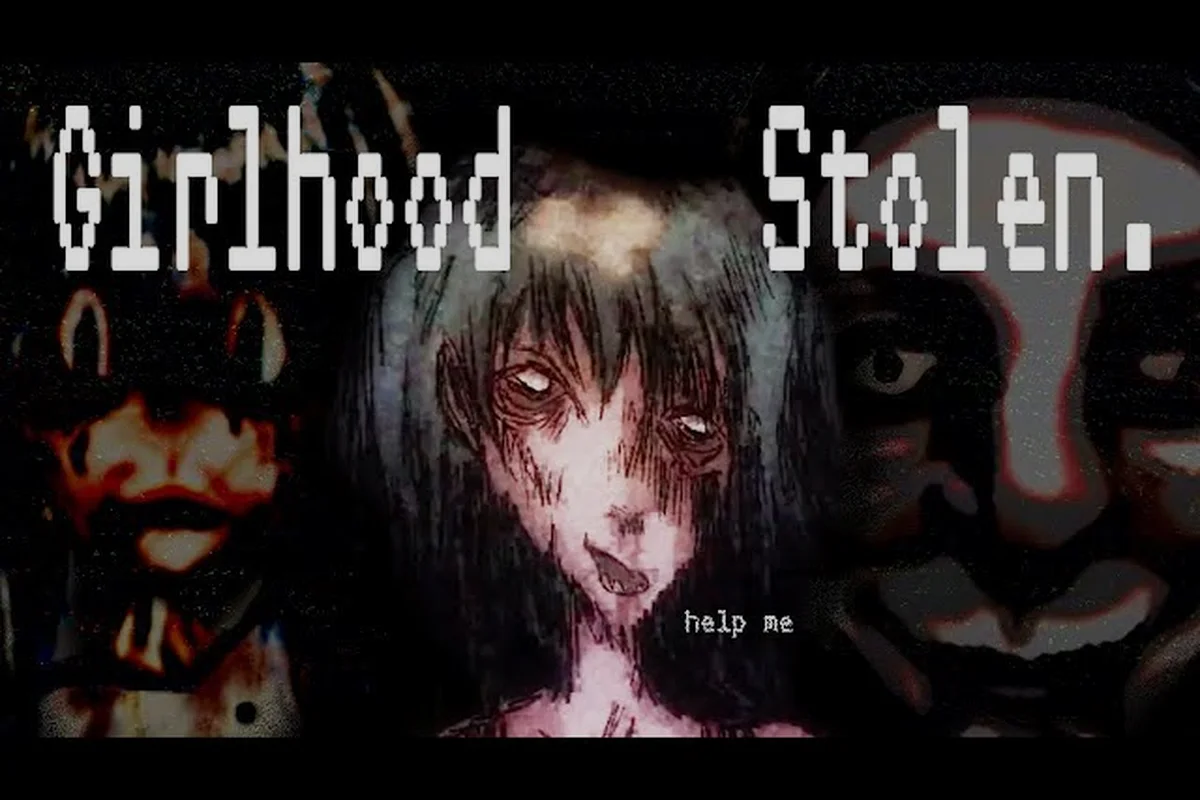
Lacey's Flash Games review no spoilers is exactly what you need if the demo's creepy-cute art has you curious but wary of ruining the surprises. This spoiler-free review covers tone, minigame variety, length, and value so you can decide before spending a dollar.
What This Spoiler-Free Review Covers
The pitch is simple: a collection of browser-style flash games that slowly stops feeling like innocent nostalgia. Our Lacey's Flash Games spoiler free review focuses on how it plays, how long it lasts, and who should buy it, while deliberately avoiding story beats, character reveals, and ending details. If you want the plot dissected, that is a different article; here the goal is a clean purchasing decision.
What makes an early review useful is honesty about scope. This is a small, deliberately strange indie project, not a AAA horror blockbuster, and judging it against the wrong yardstick leads to disappointment. According to community data and the demo's own framing, the appeal sits in atmosphere and repetition rather than jump-scare spectacle.
Before the category-by-category breakdown, here is the quick verdict table summarizing how Lacey's Flash Games scores across atmosphere, minigame variety, scare factor, content length, price value, and replay appeal. Each row distills our spoiler-free assessment into a single verdict and note, so you can gauge at a glance whether this slow-burn indie horror fits your taste without touching any story beats. Treat it as a purchasing shortcut, then read the detailed sections below for the reasoning behind each score.
| Category | Verdict | Notes |
|---|---|---|
| Atmosphere | Strong | Unsettling humor carries the experience |
| Minigame variety | Solid | Several distinct flash-style games |
| Scare factor | Moderate | Tension over gore |
| Content length | Short | Best treated as one sitting |
| Price value | Good | Reasonable for the runtime |
| Replay appeal | Fair | Depends on how much you enjoy the vibe |
The short version: it earns a mostly positive recommendation for players who like weird, slow-burn indie games and want something they can finish in an evening. The verdict hinges on that atmosphere score—the unsettling humor and the loop of returning to the same browser-style flash games is what carries the experience, not the moderate scare factor. If you are chasing jump-scare spectacle or a lengthy campaign, the short content length and only fair replay appeal will work against it; if you want a tight, one-sitting indie horror that trades gore for tension, the good price value makes the entry cost easy to justify.
How the Game Actually Plays
Mechanically, you move through a hub and interact with a series of playable flash games, each with its own rules and difficulty curve. Controls are straightforward, and the game rarely punishes you with unfair fail states, which keeps the focus on mood instead of reflex mastery. That design choice matters, because the tension comes from what the games imply rather than from twitchy gameplay.
The minigames themselves vary enough that you are not replaying the same loop. Some are timing-based, some are memory or pattern challenges, and a few are almost passive, letting the presentation do the work. Players report that the difficulty spikes are gentle, so even someone who rarely touches arcade-style games can push through without frustration.
Below is a rough breakdown of what to expect from the gameplay loop, framed around the four recurring elements rather than a single linear campaign. The hub exploration is the connective tissue: you roam a calm but slightly off space to unlock each cabinet, and that wandering is where most of the ambient dread lives. From there, the loop cycles through timing minigames (quick reflex checks, easy to moderate), pattern puzzles (memory and observation, moderate), and narrative interludes that are slow and atmospheric with no fail state at all. Optional secrets reward curiosity with variable difficulty, so the pacing stays player-driven — you can push through the reflex-heavy cabinets fast or linger on the passive, presentation-led ones, and the difficulty spikes never gate your progress behind a wall.
| Element | What It Feels Like | Difficulty |
|---|---|---|
| Hub exploration | Calm, slightly off | Very easy |
| Timing minigames | Quick reflex checks | Easy to moderate |
| Pattern puzzles | Memory and observation | Moderate |
| Narrative interludes | Slow, atmospheric | None |
| Optional secrets | Rewards curiosity | Varies |
If you have played the free demo, the full release expands on that foundation without reinventing it. Our breakdown of the demo versus the full game explains what carries over and what is genuinely new, which is useful if you are deciding whether the upgrade is worth it.
Performance and Presentation
On the technical side, the game runs cleanly on modest hardware, and the art direction leans into a deliberately retro, slightly washed-out look that suits the theme. Sound design does a lot of heavy lifting; ambient noise and small audio cues create most of the unease. There is no need for a high-end rig, and load times are short enough that the pacing never drags.
How Scary Does the Game Get?
This is the question most people ask, and the honest answer is: it is more unsettling than frightening. If you are wondering whether Lacey's Flash Games is it scary in the traditional sense, expect creeping dread, odd humor, and a handful of tense moments rather than gore or relentless jump scares. Sensitive players may still feel uncomfortable, but true horror veterans will likely find it mild.
The scare design relies on atmosphere and implication, which is why a spoiler-free approach matters so much. Once you know what is coming, much of the tension evaporates, so going in cold genuinely improves the experience. Community reports consistently describe the tone as "weird" and "off-putting in a good way" rather than terrifying.
Here is a quick sensitivity guide, with each concern rated by how often it actually surfaces in a spoiler-free playthrough rather than by worst-case reputation: jump scares stay mild and infrequent, gore is minimal since the game leans on implication over blood, psychological tension sits at a moderate level that builds through ambient sound design and the recurring Lacey's Flash Games framing device, and occasional flashing imagery warrants caution for photosensitivity. The overall dread, however, is present throughout, which is why headphones amplify the atmosphere but also make the quiet discomfort harder to shake.
| Concern | How Bad Is It | Advice |
|---|---|---|
| Jump scares | Mild, infrequent | Safe for most players |
| Gore | Minimal | Not a gore-focused game |
| Psychological tension | Moderate | Take breaks if needed |
| Flashing imagery | Occasional | Caution for photosensitivity |
| Overall dread | Present throughout | Best played with headphones |
If you are easily rattled by lingering unease, play it in daylight or with a friend nearby — the ambient sound design and recurring Lacey's Flash Games framing device are what make the quiet discomfort stick, so a bright room and a second person soften that effect considerably. If you love that specific brand of quiet discomfort, this delivers it well, and the moderate psychological tension rating in the sensitivity table above is the clearest signal of what you are signing up for.
Content Amount and Value
Length is where expectations need calibrating. This is a compact experience, and most players will see the credits in a single evening. That is not a flaw so much as a design choice, but it does mean the price-to-runtime ratio matters, and a short runtime is the most common criticism in early player feedback.
That said, the quality-per-minute is high. The minigames are polished, the presentation is cohesive, and the humor lands often enough to justify the trip. For the cost of a couple of coffees, it is a fair trade, especially if you enjoy supporting small experimental projects.
A realistic content breakdown looks like this: the main playthrough of Lacey's Flash Games runs roughly 2 to 3 hours, with optional secrets adding another 30 to 60 minutes and a completionist run stretching past the 4-hour mark. The bulk of that time sits in the minigame gauntlet itself, where each flash-style challenge is short but the framing narrative and puzzle transitions pad the pacing between them. Replay value stays low for most players because the jokes and scare beats land hardest on a first pass, though hunting missed secrets can nudge a second run toward medium value depending on how thorough you were the first time.
| Content Type | Estimated Time | Replay Value |
|---|---|---|
| Main playthrough | 2 to 3 hours | Low |
| Optional secrets | 30 to 60 minutes | Medium |
| Completionist run | 4 hours plus | Medium |
| Replay for missed content | Varies | Depends on player |
Players who measure value purely in hours may want to wait for a sale, while those who value originality will feel satisfied. Our full Lacey's Flash Games review digs deeper into the rating breakdown if you want a second perspective before buying.
Who Should Buy It
The ideal buyer enjoys odd indie games, appreciates retro flash aesthetics, and does not mind a short runtime. If you need dozens of hours or a sprawling narrative, this is not that game. If you want a strange, memorable evening with a friend watching over your shoulder, it fits perfectly.
Where the Game Shines and Stumbles
The strongest element is cohesion: art, sound, and writing all pull in the same unsettling direction, and that consistency is rare for a small team. The humor is dry and specific, and it never overexplains itself, which respects the player's intelligence. These are the qualities that push the overall impression toward mostly positive in early community chatter.
The weaker spots are predictable for the genre. Pacing sags in a couple of the slower interludes, and a few minigames feel less essential than others. The ending, without spoiling anything, will divide players; some will find it bold, others abrupt. Neither issue is a dealbreaker, but they are worth knowing going in.
Here is a balanced pros and cons view: the atmosphere and minigame variety carry the experience, while the short runtime and uneven pacing in a couple of the slower interludes keep it from reaching the top tier. The dry, memorable humor earns its laughs without overexplaining, and the game runs well on low-end PCs at a fair price, though limited replay incentive and few accessibility options are worth weighing before you buy. The divisive conclusion lands as bold for some and abrupt for others, which is exactly the kind of split that keeps the mostly positive consensus honest rather than unanimous.
| Pros | Cons |
|---|---|
| Distinctive, cohesive atmosphere | Short overall runtime |
| Varied, well-made minigames | Uneven pacing in spots |
| Dry, memorable humor | Divisive conclusion |
| Runs well on low-end PCs | Limited replay incentive |
| Fair price for the experience | Few accessibility options |
For a fuller look at how the release has been received and what the developer has shared about its creation, the behind-the-scenes coverage adds useful context without touching story details.
Accessibility and Comfort Settings
Options are limited, which is a fair criticism. There is no granular difficulty slider for the minigames and only basic audio controls. Players with photosensitivity should proceed with caution, and anyone who needs extensive accessibility features may want to check community reports before purchasing.
Final Verdict for 2026 Buyers
So where does this land in a Lacey's Flash Games review 2026 landscape crowded with bigger horror releases? It stands out through personality rather than production budget. The game knows exactly what it is, executes that vision cleanly, and does not overstay its welcome. That focus is worth more than raw length.
Our recommendation is straightforward: buy it if you enjoy atmospheric indie oddities and want a spoiler-free surprise; wait for a discount if you are strictly hour-per-dollar driven. Either way, avoid reading plot summaries beforehand, because the mystery is a core part of the value.
The final scoring summary: Atmosphere earns the highest mark at 9/10, carried by the Flash-era art direction and sound design, while Gameplay settles at 7/10 — functional puzzle-adventure loops that serve the mood without demanding mastery. Scare factor lands at 6/10, so if "is Lacey's Flash Games scary" is your deciding question, expect unease and tension rather than jump-scare barrage. Length at 6/10 and Value at 8/10 reflect a short but fairly priced experience, and the Overall 7.5/10 is the number to weigh against your backlog.
| Metric | Score (out of 10) |
|---|---|
| Atmosphere | 9 |
| Gameplay | 7 |
| Scare factor | 6 |
| Length | 6 |
| Value | 8 |
| Overall | 7.5 |
That overall score reflects a game that is more interesting than it is long, and more memorable than it is frightening. Weigh the two 6/10 marks — Length and Scare factor — against the 9/10 Atmosphere and 8/10 Value, and the shape of the verdict becomes clear: the Flash-era art direction and sound design carry the experience, while the puzzle-adventure loops and the unease-over-jump-scare approach are deliberately modest rather than deficient. For the right player, that combination is exactly the point — a short, fairly priced indie oddity whose mystery rewards going in blind far more than it rewards hour-counting.
Frequently Asked Questions
Is Lacey's Flash Games actually scary or just creepy?
It leans creepy rather than terrifying. Expect lingering unease, odd humor, and a few tense moments instead of gore or constant jump scares. Horror veterans will likely find it mild, while players sensitive to atmosphere may feel genuinely uncomfortable during certain sections.
How long does it take to finish?
Most players reach the credits in roughly two to three hours, with another thirty to sixty minutes for optional secrets. A completionist run stretches closer to four hours. It is best treated as a single-evening experience rather than a long campaign.
Do I need to play the demo first?
No, but the free demo is a good way to test whether the tone appeals to you before spending money. The full release expands the same ideas with more minigames and additional content, so enjoying the demo is a reliable signal that the full game will land.
Does knowing spoilers ruin the experience?
Yes, and the reason is structural rather than just atmospheric: Lacey's Flash Games builds its tension through slow-burn pacing and misdirection, with the minigames themselves often hiding small tells that only pay off later. Reading a plot summary or ending explanation in advance flattens those reveals into trivia, and the odd humor lands differently once you know which scenes are setups. Going in cold is strongly recommended for a first playthrough.
Is it worth full price?
For players who value originality and atmosphere, yes. If you measure value strictly by hours played, waiting for a sale makes more sense. The price is modest, and the quality per minute is high, which keeps the overall recommendation positive.