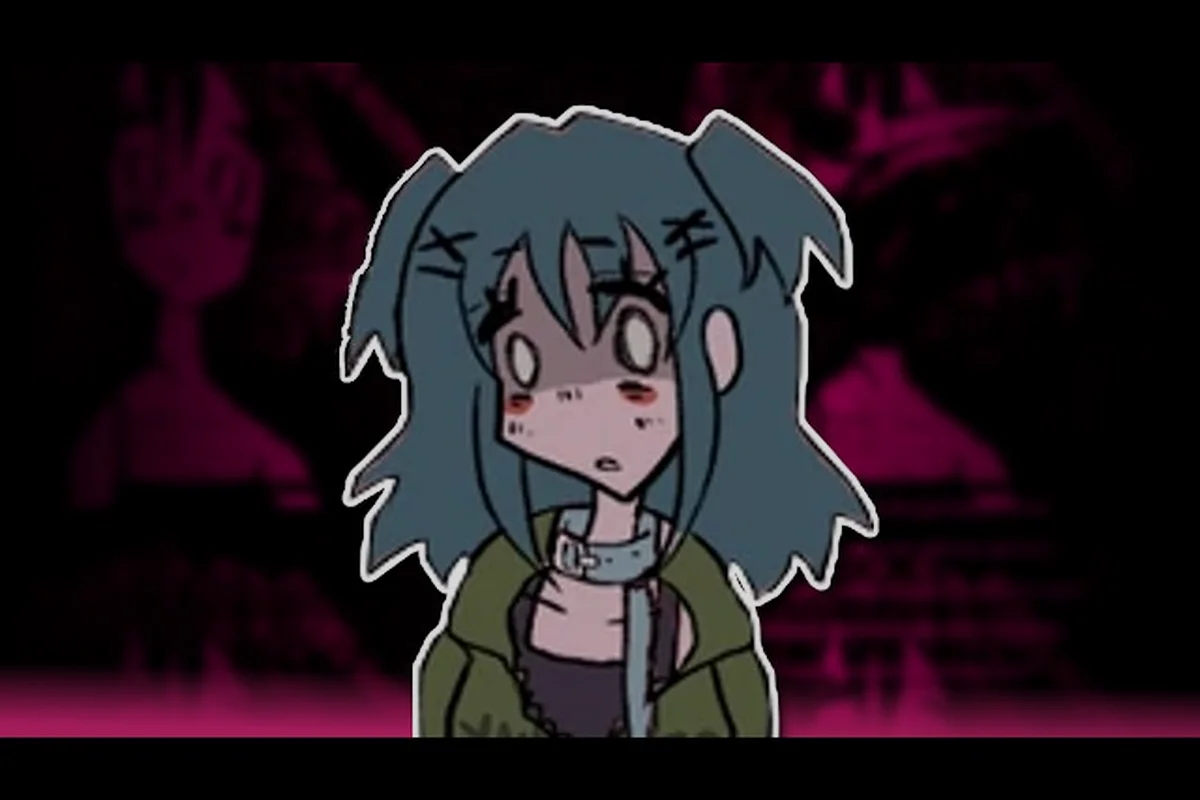
Lacey's Flash Games horror level is the single biggest question parents and curious players ask before downloading it, and the honest answer is that this is not a kids game despite the cheerful pastel art style. The cute browser-game wrapper hides psychological dread, unsettling audio, and a mature narrative that deserves a clear content warning before anyone presses play.
How Intense the Horror Level Actually Gets
The game opens like a nostalgic tribute to early-2000s Flash portals, complete with bright menus and friendly animal characters, and that contrast is exactly the point. Within the first twenty minutes, the tone shifts through environmental details, distorted audio cues, and subtle visual glitches that signal something is deeply wrong. According to community reports, most players describe the experience as slow-burn psychological horror rather than jump-scare shock value.
Understanding the horror level matters because the marketing and screenshots do not communicate it. The pastel presentation is a deliberate trap, and players who expect a cozy minigame collection often bounce off hard once the dread sets in. The table below breaks down how the horror escalates across a typical playthrough.
| Phase | Approximate Timing | Horror Intensity | What Players Notice |
|---|---|---|---|
| Opening | First 15-20 minutes | Low | Cheerful menus, friendly characters, nostalgic Flash aesthetic |
| Early shift | 20-45 minutes | Building | Audio distortion, odd NPC dialogue, small visual glitches |
| Mid-game | 45-90 minutes | Moderate to high | Unsettling story beats, darker environments, implied violence |
| Late game | 90+ minutes | High | Psychological payoff, disturbing reveals, oppressive atmosphere |
The escalation is intentional and paced like an analog horror series, which is why the game rewards patience over reflex. If you want a deeper breakdown of how the story threads connect, the narrator and lore analysis explains who Grace is and why her presence changes the mood so drastically.
Why the Cute Art Style Is Misleading
The Flash-era aesthetic is not just nostalgia bait; it is a narrative device. Bright colors and rounded character designs lower your guard, so the darker moments land harder. Community players frequently note that the whiplash between cute and creepy is the game's signature trick, and it works precisely because the horror is implied rather than shown outright.
Is Lacey's Flash Games Family Friendly?
Short answer: no, and the developers never claimed otherwise. The game is not a kids game, and treating it as family friendly will lead to uncomfortable surprises. There is no graphic gore in the traditional sense, but the mature content lives in atmosphere, implication, and psychological pressure rather than blood splatter.
For parents, the practical concern is that the horror is quiet and cumulative. A child might not react to a single scary frame, but the lingering unease and disturbing story beats can stick with younger players long after the session ends. The comparison table below maps the game's content against what families typically screen for.
| Content Category | Present in Game? | Severity | Notes |
|---|---|---|---|
| Graphic violence | Minimal | Low | Implied rather than shown on screen |
| Jump scares | Occasional | Moderate | Fewer than typical horror titles, mostly atmospheric |
| Psychological horror | Yes | High | Core of the experience, sustained dread |
| Disturbing audio | Yes | Moderate to high | Distorted cues and unsettling sound design |
| Mature narrative themes | Yes | High | Loss, obsession, and dark backstory |
| Flashing imagery | Occasional | Low to moderate | Glitch effects during key moments |
The takeaway is that family friendly is the wrong label here. The psychological horror and mature narrative themes rate High in the table above precisely because they are sustained rather than momentary — a child can shrug off one jump scare, but the cumulative dread of the dark backstory and distorted audio cues builds across the whole session. This is a title for teens and adults who enjoy unsettling stories, not a casual pick for young children or mixed-age family sessions; if you need a content warning to share, point to the loss-and-obsession storyline and the glitch-effect flashing imagery rather than to gore, which stays minimal and implied.
The Difference Between Scary and Disturbing
Scary is a momentary spike; disturbing is what lingers. Lacey's Flash Games leans heavily on the second, using psychological horror to build tension that outlasts the screen. That distinction matters for parents, because a child who handles a loud jump scare fine may still be bothered by the game's quieter, more persistent unease.
Lacey's Flash Games Age Rating and Content Warning Breakdown
There is no universal ESRB or PEGI stamp on this indie release, so the age rating conversation relies on community consensus and content analysis rather than an official board decision. Based on player reports and the game's themes, most recommend a teen and up threshold, with mature audiences getting the most out of it.
The content warning list below reflects what players consistently flag as worth knowing before starting, drawn from community reports rather than an official ratings board. These are not spoilers so much as informed-consent details — the kind of specifics that let you judge whether the lacey's flash games horror level is a fit for your tolerance. Note that the mature content here skews psychological rather than gory: the dread builds through atmosphere and audio design instead of jump-scare shock, which is why sensitive players often flag the late-game stretch more than any single scene.
-
Sustained psychological tension across the full runtime, not isolated moments
-
Distorted audio and visual glitches that some players find genuinely unsettling
-
Mature story themes including obsession, loss, and a dark backstory
-
Implied violence rather than explicit on-screen gore
-
Oppressive atmosphere in the late game that can affect sensitive players
If you are weighing whether the whole thing is worth your evening, the full disturbing review breaks down pacing, length, and whether the game earns its runtime — and it is the natural next stop once you have matched the content warning list above against your own tolerance. That review pairs especially well with the age rating question, since it walks through how the lacey's flash games horror level escalates across the late-game stretch rather than front-loading its scares. Read it before committing if the mature content flags around distorted audio and implied violence gave you pause, because it spells out roughly where those beats land and how long the oppressive atmosphere actually sustains.
Recommended Age Thresholds
| Audience | Recommendation | Reasoning |
|---|---|---|
| Under 12 | Not recommended | Sustained dread and mature themes are too heavy |
| Ages 12-14 | Parental discretion | Depends on the individual's tolerance for psychological horror |
| Ages 15-17 | Generally appropriate | Comparable to teen-rated horror media |
| Adults | Fully appropriate | Designed for mature players who enjoy slow-burn horror |
How the Mature Content Compares to Mainstream Horror
Players often ask whether the mature content here rivals mainstream horror games, and the answer is nuanced. Lacey's Flash Games does not compete on gore or shock value; it competes on atmosphere and narrative unease. Compared to big-budget horror titles, its scares are subtler but arguably more persistent.
The comparison table below positions the game against common reference points so you can calibrate expectations, and the spread is revealing: Lacey's Flash Games sits at Low gore / High psychological weight, an intensity profile it shares with analog horror series rather than with typical indie horror (Moderate/Moderate) or mainstream AAA horror (High gore / Moderate psychological weight). That mismatch is the key to reading the table — a high gore score does not equal a high scare score here, because the game's horror level is carried by distorted media, found-footage framing, and creeping dread instead of shock imagery, which is exactly why players comparing raw intensity numbers alone tend to misjudge what they are walking into.
| Reference Point | Gore Level | Psychological Weight | Overall Intensity |
|---|---|---|---|
| Lacey's Flash Games | Low | High | Moderate to high |
| Typical indie horror | Moderate | Moderate | Moderate |
| Mainstream AAA horror | High | Moderate | High |
| Analog horror series | Low | High | Moderate to high |
The closest comparison is analog horror, which relies on found-footage framing, distorted media, and creeping dread rather than action. That genre parallel explains why the game feels more like an unsettling web series than a traditional horror game, and it is the right lens for judging whether it suits you.
Why Atmosphere Beats Gore Here
The game's restraint is a strength. By refusing to lean on explicit gore, it keeps the focus on what you cannot see, which is often scarier. Players who prefer visceral horror may find it slow, while those who love lingering dread will consider it one of the more effective indie horror experiences in recent memory.
Practical Tips for Sensitive Players
If you are curious but worried about the horror level, a few practical adjustments make the experience more manageable without gutting the story. These tips come from community playthroughs and are especially useful for players who want the narrative without the worst of the anxiety.
-
Play in short sessions so the tension does not accumulate into genuine stress
-
Lower the volume during known audio-distortion moments if sound design affects you
-
Keep the lights on and play during daylight for a less oppressive atmosphere
-
Take breaks after major story beats to decompress before continuing
-
Avoid late-night sessions if you are prone to lingering unease afterward
The minigames themselves are worth exploring separately, and the complete minigames guide lists every game included so you know what to expect before diving into the darker main narrative. This matters more than it sounds for sensitive players: several of the minigames carry their own mild jumpscare and audio-distortion moments independent of the main story's horror level, so scanning the guide first lets you identify which individual games to skip rather than abandoning the whole collection. Treat it as a spoiler-light pre-flight check — knowing which minigame triggers a sudden screen flash or a distorted sound cue means you can lower the volume or look away at exactly the right beat, keeping the family friendly framing of the collection intact while you sidestep the mature content spikes that catch unprepared players off guard.
When to Step Away
There is no shame in stopping. If the psychological horror starts affecting your mood or sleep, the game will still be there later. Sensitive players should treat the content warning as a genuine signal rather than a formality, because the dread is designed to follow you out of the session.
Final Verdict on the Horror and Age Rating
Lacey's Flash Games is a deliberately unsettling experience wrapped in a deceptive pastel shell, and the horror level sits firmly in psychological territory rather than shock-and-gore. It is not a kids game, it is not family friendly, and it carries mature content that deserves a clear content warning for anyone considering it.
For teens and adults who enjoy slow-burn dread and analog-horror storytelling, the game delivers a memorable and well-crafted descent. For parents of younger children or players sensitive to sustained unease, the honest recommendation is to pass or wait until the audience is ready. The age rating conversation ultimately comes down to tolerance for atmosphere, and this title is built almost entirely on atmosphere.
Frequently Asked Questions
Is Lacey's Flash Games suitable for children?
No. The game is not a kids game and carries mature themes, sustained psychological horror, and unsettling audio that most children under 12 will find too heavy. Parents should treat it as teen-and-up content and use discretion for players in their early teens.
What is the recommended age rating for Lacey's Flash Games?
Because Lacey's Flash Games ships without an official ESRB or PEGI rating, the community consensus settles on ages 15 and up, and that number tracks the content rather than any storefront label. The horror level is psychological rather than gory, yet the persistent dread, distorted audio cues, and dark narrative reveals compound over a full playthrough, which is exactly why parents flag it as not a kids game. For families weighing the family friendly question, the practical takeaway is a content warning: treat the cute pastel Flash aesthetic as a mask, not a safety signal, and preview the later story beats before handing it to a younger teen.
Does the game contain jump scares or gore?
It relies mostly on atmosphere and psychological tension rather than jump scares, and explicit gore is minimal. The unsettling moments come from distorted audio, visual glitches, and story reveals, which many players find more disturbing than traditional scares. In practice, the horror level builds through slow-burn techniques: corrupted Flash-animation frames, reversed or pitch-shifted audio cues, and abrupt tonal shifts inside otherwise cheerful mini-games. Because these cues escalate gradually across the playthrough, the dread compounds rather than spikes, which is why the mature content warning centers on sustained unease over shock value.
Why does the cute art style hide horror content?
The pastel Flash-era aesthetic is a deliberate narrative device, not a safety signal. Bright menus, cheerful mascots, and the familiar early-2000s browser-game framing lower your guard, so when the horror level corrupts those same assets — a friendly sprite glitching mid-animation, a sunny jingle pitch-shifted into a drone — the tonal whiplash lands harder than an outright scare. That contrast is why the horror level reads as far more intense than its screenshots suggest.