Lacey's Flash Games review PT readers usually want one thing fast: a straight verdict on whether this unsettling browser-style horror collection deserves their evening. This análise breaks down the atmosphere, the minigame design, the ending system, and the overall avaliação so you can judge the game on real evidence rather than hype.
What This Lacey's Flash Games Review PT Covers
This avaliação focuses on the parts of the game that actually shape your experience: the presentation, the puzzle logic, the branching endings, and how long the content holds up. Rather than repeating a store blurb, this análise looks at what you do moment to moment and whether the tension pays off. The game leans on a deliberately retro aesthetic, and the community discussion around it tends to split between people who find the style genuinely creepy and people who want more mechanical depth.
The short version is that Lacey's Flash Games is a narrative horror experience built from small interactive scenes, not a combat-driven title. You click, you read, you make choices, and the game responds with escalating unease. If that structure sounds appealing, the críticas below will help you decide whether the execution matches the premise.
A few things this review deliberately avoids: padding the word count with the official store blurb, overselling the branching endings as if they multiply replay value beyond what the scene structure supports, and glossing over the rough edges that surface on a first run — the click-heavy pacing in the early flash-game segments and the abrupt difficulty spike in the puzzle logic around the midpoint. It also resists inflating the scare factor past what the retro aesthetic actually delivers, since the tension here comes from timing and sound cues rather than jump-scare spectacle.
-
Repeating the official store description as filler
-
Pretending the game is longer or deeper than it is
-
Ignoring the rough edges that show up on a first run
-
Overhyping the scares beyond what the design actually delivers
The angle here is practical: this reseña is structured as a buying decision, not a plot summary. By the closing section you should know whether to buy at full price, wait for a discount, or skip entirely — and that verdict rests on the four criteria flagged above (presentation, puzzle logic, ending branches, and content length), each judged against what the retro flash-game format can realistically deliver. Concretely, that means weighing the midpoint puzzle spike against the roughly two-hour scene structure before you commit, since a steeper-than-expected difficulty curve changes the value math far more than the branching endings do.
Atmosphere and Presentation in This Lacey's Flash Games Análise
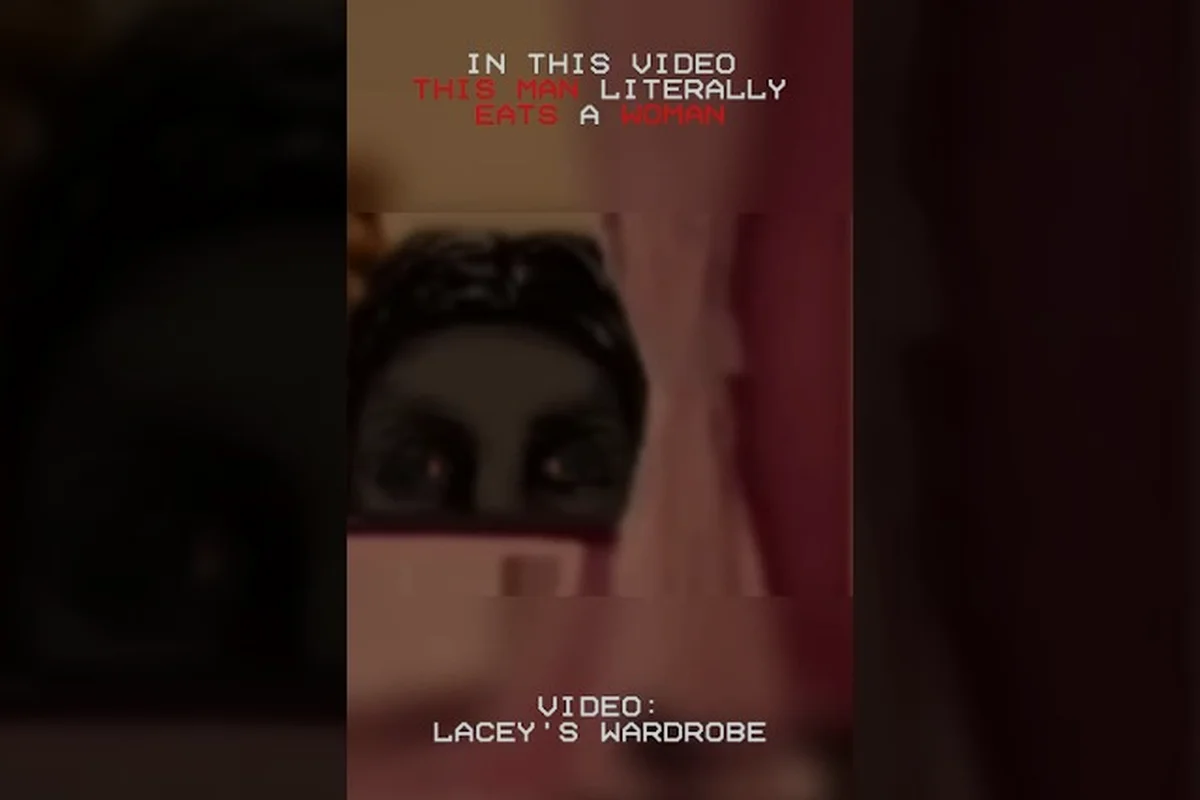
The first thing any honest análise has to address is the look and sound. Lacey's Flash Games commits hard to a low-resolution, early-internet visual style, and that choice does most of the heavy lifting. The muted palette, the slightly off character art, and the sparse audio all work together to create a persistent sense of something being wrong. It is not jump-scare horror; it is the slow, creeping kind that lives in the gaps between scenes.
According to community reports, the strongest reactions come from players who grew up with browser games and recognize the specific era being referenced. That nostalgia is weaponized, which is why the atmosphere lands harder than the raw asset quality would suggest.
| Presentation Element | What It Does Well | Where It Falls Short |
|---|---|---|
| Visual style | Nails the retro flash-era look | Some scenes feel visually repetitive |
| Sound design | Sparse audio builds dread effectively | Limited variety across scenes |
| Character art | Distinctive and memorable | Inconsistent detail between scenes |
| Pacing | Slow build keeps you uneasy | Occasional dead spots mid-run |
The presentation is not technically impressive, and it is not trying to be. What matters is whether the aesthetic serves the mood, and for most players it does. The deliberate visual glitches that appear at key moments are a particularly smart touch, because they blur the line between intentional design and genuine malfunction. That ambiguity is exactly where the horror lives.
One caveat worth flagging in this avaliação: if you need high-fidelity graphics to stay engaged, this style will frustrate you. The game asks you to meet it halfway. That trade-off is deliberate rather than a limitation of budget — the low-resolution sprite work and compressed audio are the same tools that make the deliberate visual glitches read as genuine malfunction instead of a scripted effect. Players chasing modern production values may bounce off the repetitive mid-run scenes and inconsistent character detail noted in the table above, but those who accept the retro flash-era contract get the slow-burn dread the aesthetic was built to deliver.
Sound and Silence as Horror Tools
The audio design deserves its own note because it is doing more work than it first appears. Long stretches of near-silence make the sudden audio cues hit much harder, and the game understands that restraint is scarier than constant noise. Players who pay attention to the soundscape will notice small details, like a hum that changes pitch when a scene is about to shift. That kind of craft is easy to miss but hard to fake, and it is one reason the atmosphere holds up on a second playthrough.
Gameplay and Minigame Design: The Core of This Avaliação
The gameplay loop is where opinions divide most sharply. Lacey's Flash Games is built from a series of interactive minigames and choice scenes, each one short and self-contained. Some are puzzle-like, asking you to read instructions and act carefully. Others are more about observation, where the challenge is noticing what changed rather than solving anything complex. The variety keeps a single run from feeling monotonous, though not every minigame lands with equal weight.
| Minigame Type | Difficulty | What It Tests | Replay Value |
|---|---|---|---|
| Choice-driven scenes | Low | Reading intent and consequences | High |
| Puzzle minigames | Medium | Following precise instructions | Medium |
| Observation scenes | Medium | Noticing visual changes | Medium |
| Timing-based tasks | Medium-High | Patience and precision | Low |
The design philosophy is clearly about consequence over challenge. You are rarely failing because a task is mechanically hard; you are failing because you misread a situation or ignored a cue. That makes the críticas around difficulty somewhat unfair, since the game is not really trying to be a skill test. It is trying to make you feel responsible for what happens next. If you want a structured path through the scenes, the full walkthrough guide maps out the order and the choices that matter most. That is useful because the game rarely tells you when a decision is permanent.
Reading Instructions Before You Act
The single biggest gameplay lesson is that the game punishes rushing. Many minigames give you explicit instructions, and ignoring them is the fastest way to a bad outcome. Players who slow down and read carefully tend to have smoother runs, which is a design choice that rewards attentiveness over reflexes. It is a small thing, but it shapes the entire feel of the experience.
Length, Replay Value, and the Lacey's Flash Games Metacritic Score Question
How long the game lasts depends heavily on how thoroughly you explore. A focused first run is short, but the branching structure means a single playthrough does not show you everything. The ending system is the main driver of replay value, with multiple conclusions gated behind different choices. That structure is what keeps the game from feeling disposable.
As for the Lacey's Flash Games metacritic score, there is no reliable aggregate to point to, so treat any single number with skepticism. The críticas that matter here come from players describing specific experiences rather than a composite rating. Based on community discussion, sentiment skews positive among horror fans and mixed among players expecting more traditional gameplay.
| Playthrough Style | Approximate Time | What You See |
|---|---|---|
| Rushed first run | Short | Core scenes, one ending |
| Careful first run | Moderate | More context, better ending odds |
| Completionist runs | Longer | All endings and hidden details |
The replay loop works because the endings reframe earlier scenes. Once you know how a branch resolves, going back to test a different choice feels purposeful rather than tedious. That is a meaningful strength for a game of this size, and it is worth weighing if you are deciding whether the price is fair.
For a spoiler-free take before you commit, the no-spoilers review keeps the surprises intact while still giving you a clear verdict. That matters more here than in most horror games, because the ending system is the whole point of the replay loop: even a single hint about how a branch resolves can flatten the reframing effect that makes a second playthrough feel purposeful. The spoiler-free version lets you judge whether the careful first run — the moderate-length path that improves your ending odds — is worth your time before you commit to completionist runs chasing all endings and hidden details. Read it first if you are still weighing whether the price is fair.
Who Should Buy and Who Should Skip
This is the section where a reseña earns its keep. The game is not for everyone, and pretending otherwise would be dishonest. The people who get the most out of it are those who enjoy atmospheric horror, retro aesthetics, and choice-driven storytelling. If any of those three appeal to you, the game is likely worth your time.
| Player Type | Verdict | Reason |
|---|---|---|
| Retro horror fans | Buy | The aesthetic and mood are the main draw |
| Narrative-focused players | Buy | Choices and endings carry the experience |
| Action-oriented players | Skip | No combat or reflex-heavy challenge |
| Graphics-first players | Skip | The low-fi style is intentional, not a flaw |
| Completionists | Buy on sale | Replay value is real but limited in scope |
The honest críticas here are about scope, not quality. The game does what it sets out to do, but it does not try to be a sprawling epic. If you go in expecting a tight, unsettling evening rather than a long campaign, your expectations will line up with reality.
Weighing the Price Against the Experience
Value is subjective, but the fairest framing is this: the game is priced like a short indie experience, and it delivers like one. If you measure worth by hours per dollar, you may hesitate. If you measure it by how long a scene stays with you after you close the game, the calculation changes. That trade-off is the heart of any fair avaliação.
Common Criticisms and How Fair They Are
Every game collects complaints, and this análise would be incomplete without addressing them. The most common críticas fall into a few predictable buckets, and some are more justified than others. Sorting them out helps you separate genuine issues from mismatched expectations.
The most frequent complaint is that the game is too short. That criticism has merit if you only play once, but it weakens once you engage with the ending system. A second criticism is that the puzzles are too simple, which is fair in isolation but misses the point that the game is about consequence, not challenge. A third is that the horror relies too much on atmosphere, which is really a preference rather than a flaw.
| Criticism | Fairness | Context |
|---|---|---|
| Too short | Partly fair | Replay and endings add real length |
| Puzzles too simple | Partly fair | Difficulty is not the design goal |
| Relies on atmosphere | Preference | Intentional, not a defect |
| Visual style feels cheap | Unfair | The retro look is deliberate |
The pattern here is that most críticas stem from expecting a different genre. Players who wanted a puzzle game found a horror story, and players who wanted action found a mood piece. Judged on its own terms, the game is more coherent than the complaints suggest.
For a deeper look at the content and its darker moments, the disturbing content review examines exactly what the game shows and how intense it gets, which is useful if you are sensitive to certain themes.
The Final Call in This Portuguese Review
Pulling the threads together, this avaliação lands on a clear conclusion: Lacey's Flash Games is a focused, atmospheric horror experience that succeeds at what it attempts. The retro presentation is purposeful, the choice system gives your decisions weight, and the ending structure rewards curiosity. It is not a long game, and it is not a mechanically demanding one, but it does not need to be.
The weaknesses are real but minor in context. Some scenes drag, the visual variety is limited, and the game asks you to buy into its aesthetic before it earns your trust. If you can accept those terms, the experience is memorable in a way that bigger, glossier games often are not.
For readers comparing options, the broader Steam review breakdown covers how the game sits against similar releases and what the wider player base is saying. That context helps if you are still on the fence after this análise.
The bottom line for this reseña is simple. If you enjoy slow-burn horror and choice-driven storytelling, this game is worth your time. If you need action, length, or high production values, wait for a sale or skip it. Either way, you now have enough honest críticas to make that call yourself.
Frequently Asked Questions
Is Lacey's Flash Games worth buying?
For horror fans who enjoy retro aesthetics and branching choices, yes. The game delivers a tight, atmospheric experience with real replay value through its ending system. Players expecting action or long campaigns should skip it, since the scope is intentionally small and the focus stays on mood over mechanics.
How long does a full playthrough take?
A single run is short, but seeing all endings takes considerably longer. Most players finish one branch quickly and then return to test different choices. The replay loop is where the game's true length lives, so judging it by a first run alone undersells the content.
Does the game have a reliable Metacritic score?
No dependable aggregate exists, so any single number should be treated with caution. Player sentiment in community discussions skews positive among horror enthusiasts and mixed among those wanting traditional gameplay. Reading detailed críticas gives a clearer picture than a composite rating ever could.
Is the horror too intense for sensitive players?
It relies on atmosphere and unease rather than gore or jump scares, which makes it more approachable than many horror titles. That said, the creeping dread and unsettling imagery can still affect sensitive players. Checking a detailed content breakdown before playing is the safest approach.
What makes this análise different from other reviews?
This avaliação focuses on practical decision-making: who should buy, who should skip, and why. It weighs the atmosphere, minigame design, and ending system against real player expectations rather than repeating marketing claims, giving you a verdict you can actually act on.